How to test 2C-B?
2C-B is brown or tan and easily imitated. Here is how to check a sample with reagents, and how to rule out the far more dangerous NBOMe series.
GUIDES
Step-by-step guides to checking what is actually in a sample. Which reagent suits which substance, how to read a color change, and where reagents stop and purity testing begins.
51 articles
Step-by-step guides to checking what is actually in a sample. Which reagent suits which substance, how to read a color change, and where reagents stop and purity testing begins.
2C-B is brown or tan and easily imitated. Here is how to check a sample with reagents, and how to rule out the far more dangerous NBOMe series.
How to test 3-MMC: if you intend to use cathinones, first you need a test kit to check it for adulterants. Pure MMC can look white or clear and can’t be identified by appearence. To test cathinones use reagent tests Marquis, Froehde, Simon’s, Zimmermann and Morris. To detect fentanyl or test for fentanyl analogs it’s recommended to use fentanyl test strips.
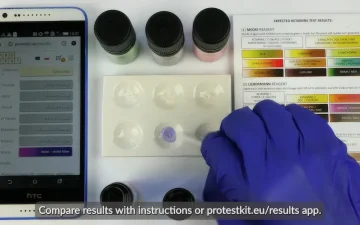
How to test ketamine: if you intend to use ketamine, first you need a ketamine test kit to check it for adulterants. Pure ketamine is white or off-white and can’t be identified by appearence. To test ketamine use reagent tests Mandelin, Mecke, Liebermann and Froehde in single-use or multiple-use test kits. To detect fentanyl or test for fentanyl analogs it’s recommended to use fentanyl test strips.
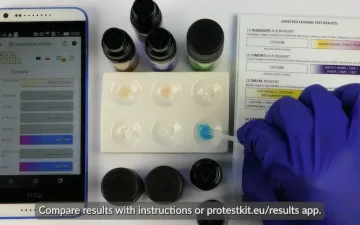
How to test cocaine: if you intend to use cocaine, first you need a cocaine test kit to check it for adulterants. Pure cocaine is white powder or clear crystals and can’t be identified by appearence. To test cocaine use reagent tests Marquis, Mecke, Liebermann, Ehrlich and Scott in single-use or multiple-use test kits. To detect fentanyl or test for fentanyl analogs it’s recommended to use fentanyl test strips.
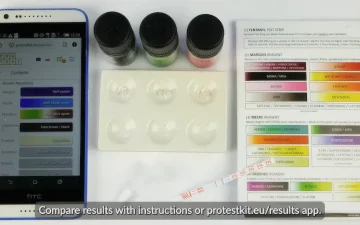
How to test heroin & opioids: if you intend to use heroin or other opioids, first you need a heroin test kit to check it for adulterants. Pure heroin can look brown, black or white and can’t be identified by appearence. To test heroin use reagent tests Marquis, Mecke and Froehde in single-use or multiple-use test kits. To detect fentanyl or test for fentanyl analogs it’s recommended to use fentanyl test strips.
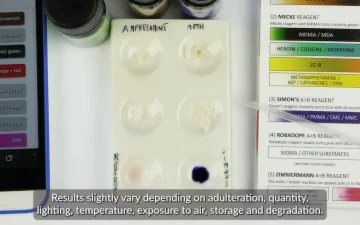
How to test methamphetamine: if you intend to use meth, first you need a methamphetamine test kit to check it for adulterants. Pure methamphetamine can look white or clear and can’t be identified by appearence. To test methamphetamine use reagent tests Marquis, Mecke, Simon’s and Robadope in single-use or multiple-use test kits. To detect fentanyl or test for fentanyl analogs it’s recommended to use fentanyl test strips.
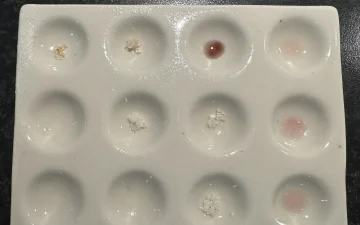
How to test amphetamine: if you intend to use speed, first you need an amphetamine test kit to check it for adulterants. Pure amphetamine is usually white and can’t be identified by appearence. To test amphetamine use reagent tests Marquis, Mecke, Simon’s and Robadope in single-use or multiple-use test kits. To detect fentanyl or test for fentanyl analogs it’s recommended to use fentanyl test strips.
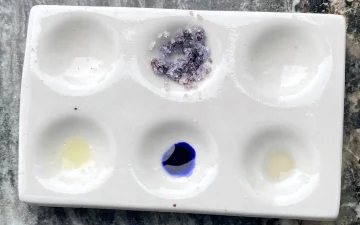
How to test MDMA: if you intend to use MDMA, first you need an MDMA test kit to check it for adulterants. Pure MDMA or Molly can look white, brown or tan and can’t be identified by appearence. To test MDMA use reagent tests Marquis, Mecke, Simon’s and Robadope in single-use or multiple-use test kits. To detect fentanyl or test for fentanyl analogs it’s recommended to use fentanyl test strips.
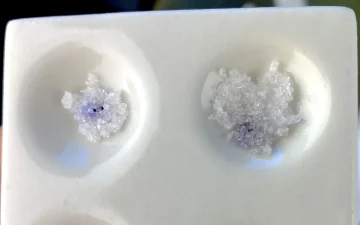
How to test LSD: if you intend to use LSD (“acid”), first you need an LSD test kit to check it for adulterants. Pure LSD can be laid on any kind of blotter paper (or other surface) and can’t be identified by appearence. To test LSD use reagent tests Ehrlich, Hofmann, Marquis and Mecke in single-use or multiple-use test kits. To detect fentanyl or test for fentanyl analogs it’s recommended to use fentanyl test strips.