Why all drink tests are a scam
A narrow chemical screen cannot answer the question “is my drink safe?”
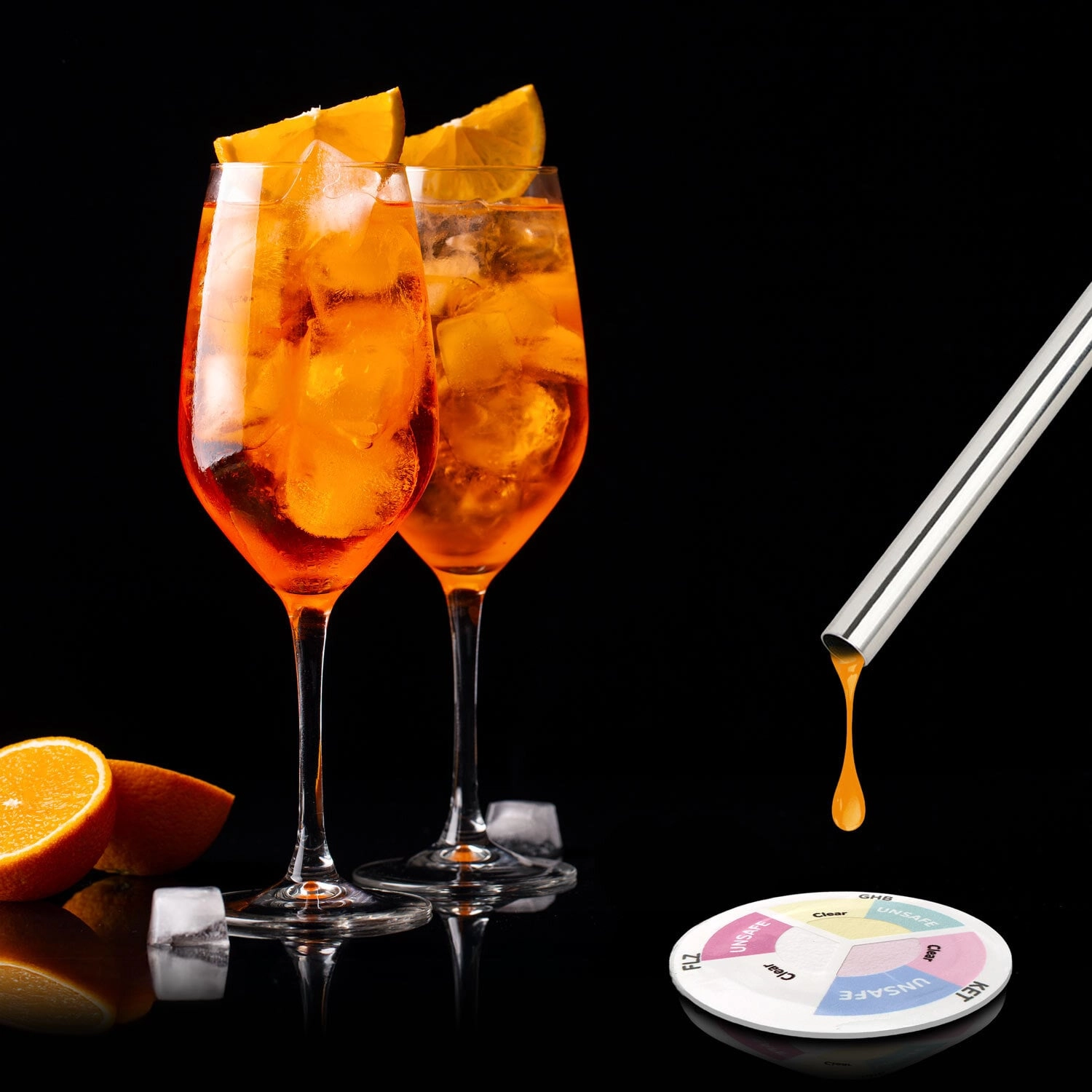
Drink tests sell a dangerous false sense of security. Drink-spiking test kits, often sold as “date rape drug tests”, come as drink test strips, cards, coasters, wristbands and nail stickers. Testing straws and nail polish have also attracted headlines. Despite different packaging, they all share the same flaw: a narrow chemical reaction can NOT tell you whether someone has put anything dangerous in your drink. The reagents used and target lists vary, but all these products face the same main problems: drugs they cannot detect and drinks that interfere with the result. Putting the chemistry on a nail, bracelet, coaster or another novelty item fixes nothing.
The drink tests fail in four ways:
- False negatives: a test can miss a drug outside its target list or fail to detect its target.
- False positives: a drink ingredient or another compound can trigger a misleading interpretation.
- False reassurance: a person may mistakenly consider an unchanged spot as permission to drink.
- Focus on gadgets: selling a flawed test distracts from enforcing better policies, staff training and factual education about spiking, intoxication including how to get help.
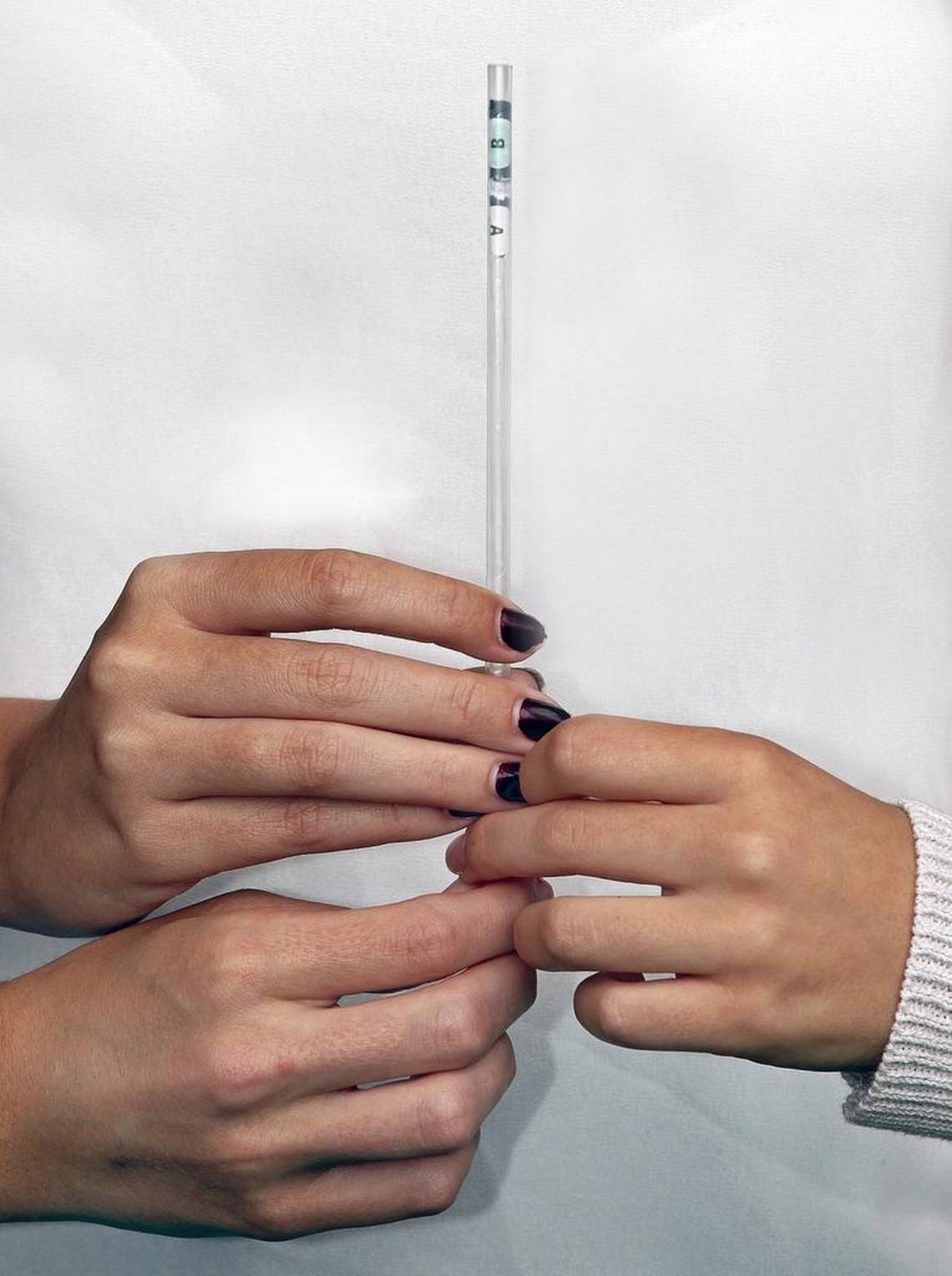
Undercover Colors nail polish and the Smart Straw attracted enthusiastic coverage for their designs. Neither format solves the problem of screening an unknown drink for an unknown drug. NC State project history
Do drink spiking tests work?
What do drink test strips miss?
First of all, GHB, a substance widely recognised as „the date rape drug”, is hardly the only used in this manner or even the most common one. Adding ketamine or particular benzodiazepine still leaves gaps. A test for one benzodiazepine does not automatically cover all benzodiazepines, and a GHB claim does not validate detection of chemically distinct analogues and derivatives.
Let’s examine what is really used to spike drinks, and how does that compare to the tests offered:
- Alcohol. Adding alcohol without permission is spiking too. A negative GHB or ketamine result cannot tell you whether someone added extra spirits. Alcohol is also prominent in sexual-assault toxicology, including cases where a perpetrator exploits intoxication rather than secretly administering a drug. Home Office
- Benzodiazepines. Documented examples include clonazepam, bromazepam, flunitrazepam, diazepam, alprazolam, lorazepam and oxazepam. Designer benzodiazepines add further possible gaps. A test for one benzodiazepine does not automatically detect the others. Benzodiazepine evidence
- Z-drugs (sleeping pills). Common sleeping aid medicines such as zolpidem and zopiclone are a major concern. They also appear in investigations, including sexual assaults and other crimes. French investigation
- GHB and related analogues/derivatives. GHB is far from common nowadays due to strict regulation, although availability varies by country. GBL and 1,4-butanediol (BDO), which convert to GHB inside the body, are now more commonly encountered. A test’s ability to detect GHB does not establish that it detects either of these chemically different substances in a drink. Evidence of GVL/GHV use in sexual assault is weaker but risk remains plausible. DEA: GHB forms, EUDA: GHB and related substances
- Ketamine. Ketamine is implicated in drug-facilitated sexual assault. US Department of Justice
- Gabapentinoids. Pregabalin spiking has supporting evidence, including reported non-consensual administration. Pregabalin study
- Antipsychotics. Quetiapine has a published forensic case report. Quetiapine case
- Opioids. Tramadol and codeine appear in wider chemical-submission investigations. Those datasets include other crimes as well as sexual assault. ANSM surveillance
- Sedating antihistamines. Hydroxyzine and doxylamine also appear in published reports, while a GHB test leaves this class unchecked. ANSM surveillance
Sales pitches we received
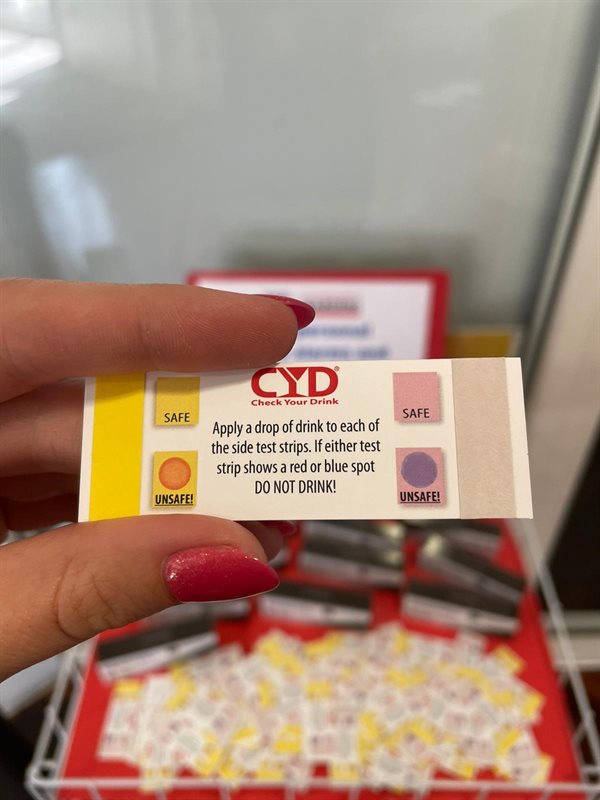
In December 2024, NeutraPharma’s Ludovica Cereda pitched CYD Check Your Drink to us, even having explicitly acknowledged that it did not detect opioids, benzodiazepines or gabapentinoids. After we called the product dangerous and urged the company to stop selling it, CEO Carsten Schnier replied on 5 December 2024. His response mixed product claims with personal remarks:
- Schnier questioned PRO Test’s competence: he wrote that he was “very surprised at the level of ignorance you provide running your business”.
- Schnier questioned PRO Test’s motives: he doubted the company was trading “out of the goodness of your heart” and suggested CYD would be a “perfect fit and side product” for PRO Test to sell and profit from.
- Schnier brought PRO Test’s nationality into the exchange: addressing the company “as a Polish business,” he wrote, “I think it’s time to reflect on the type of business you are in.”
Schnier acknowledged, “Of course it can’t detect every single drug in the world.” The omissions his colleague confirmed include whole classes of sedatives, not merely obscure exceptions. He called the relevant data “second to none” and compared accuracy with a professional drug-testing kit, without establishing any evidence supporting such a comparison. He also boasted about police approvals and a case in which the product helped put a perpetrator behind bars; we have been unable to independently verify either. Police use or a successful investigation would still not establish that a negative result rules out spiking.
Source: email from Carsten Schnier, CEO, NeutraPharma Europe Limited, to PRO Test, 5 December 2024.
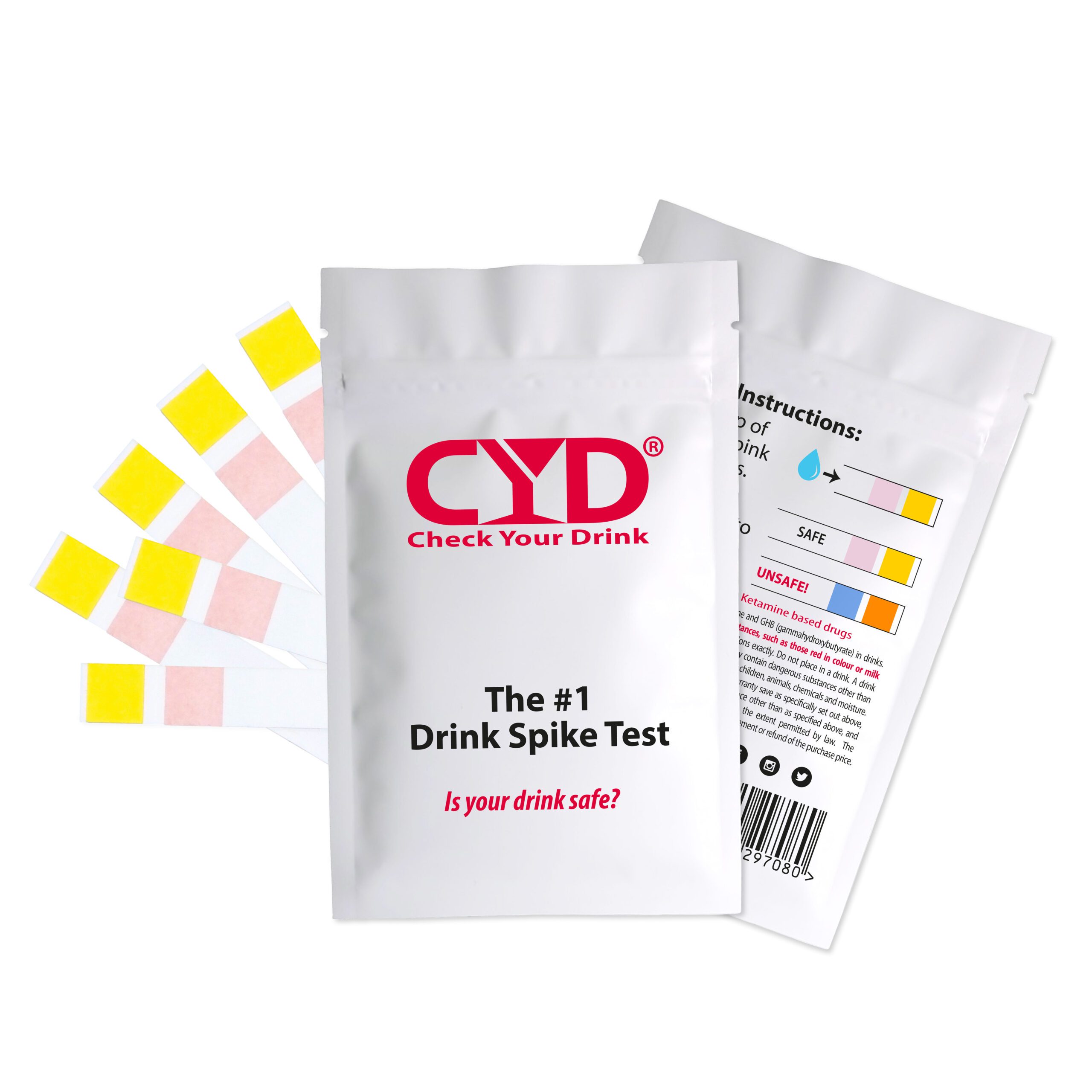
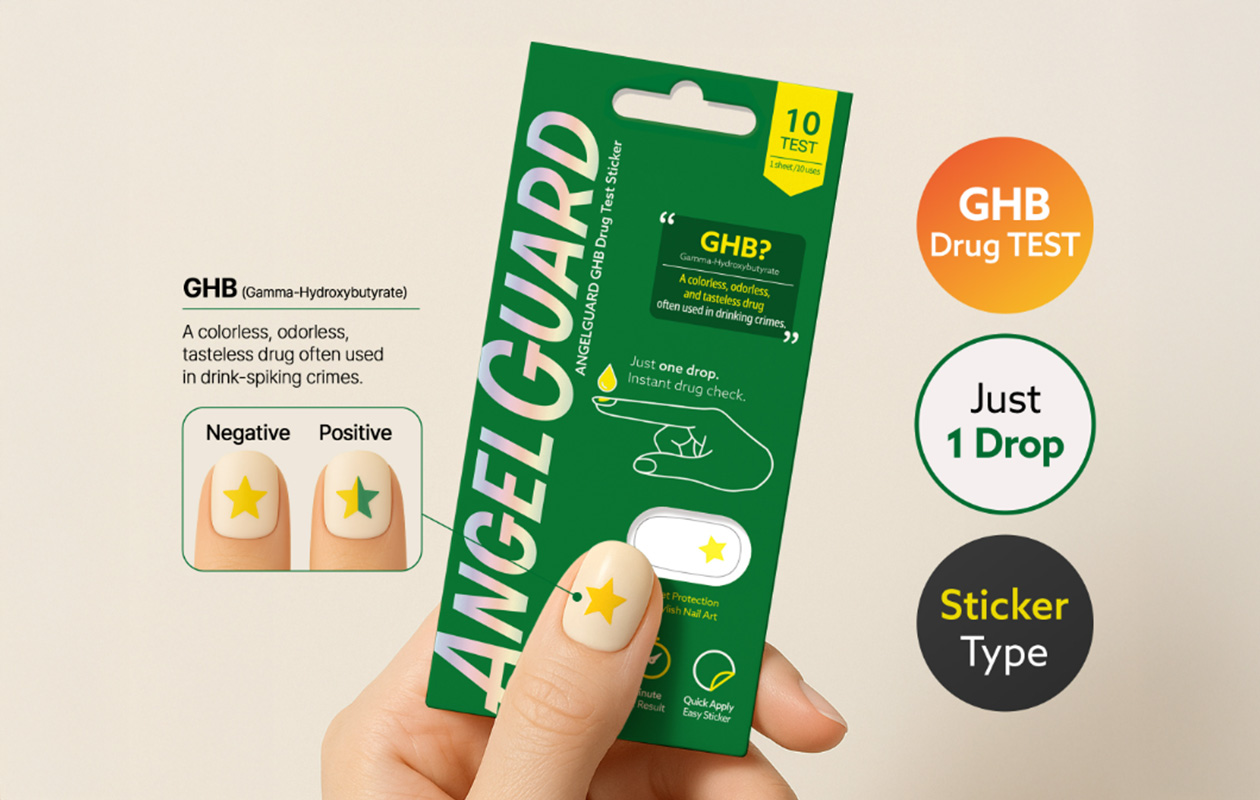
Kevin Seo, signing as CEO of VIS Inc., promoted AngelGuard GHB nail stickers to us in September 2025 with the wording “Yellow = Negative (Safe)”. “Safe” would be false even if the sticker detected GHB every time. We objected; further pitches followed.
A major Chinese diagnostics vendor approached us on 30 July 2026 with an “18-in-1” drink test offered as a wristband, card, strip or sticker, alongside a GHB-only sticker. Its advertised one-second result says nothing about the drugs it misses or interference from drinks. The quoted thresholds, 4 mg/mL for GHB and 1 mg/mL for ketamine, cocaine, flunitrazepam and other listed targets, also leave lower concentrations unchecked. We declined, explained the concerns, and it’s worth noting that the manufacturer acknowledged our arguments.
The same promise in public marketing
Other sellers make similar claims publicly, here are selected statements from the sellers public websites:
- Xantus describes GHB as “the most common date-rape drug”. That claim is not established by the evidence: a French investigation found benzodiazepines and related medicines prominent, while the Home Office reports cocaine, ketamine and MDMA as the most frequently detected drugs in its subset of samples supporting spiking. Xantus also advertises “98.2% reliability” based on manipulated data; that supplier figure does not mean 98.2% protection against spiking, including drugs the test cannot detect. After public scrutiny the brand has also tried to remove their own research from the Internet, however we kept copies. Product claim, French investigation, Home Office findings
- Drink Safe Technologies markets GHB/ketamine coasters with the assurance that you will “keep yourself and your drink safe”. The independent 2023 coaster evaluation discussed below tested products from this manufacturer and proved them severely lacking. Coaster sales page, study
The publicity attracts money, including public spending
A viral nail-polish story brought serious funding long before anyone could buy the promised product, regardless of the flaws obvious to any expert. Undercover Colors raised $3 million from 15 investors in a round reported in June 2016. NC State’s own account describes the earlier viral publicity, a $13,000 university competition prize and a bridging stipend. Those are funding milestones, not proof that the nail polish could reliably screen drinks. Investment report, NC State’s account
Public money has also paid for schemes distributing drink tests. Surrey Police reports that Epsom’s £270,000 Home Office-funded Safer Streets programme included free test kits for night-time venues. The Home Office separately acknowledged funding activity involving self-testing kits in Bristol while warning that rapid kits lacked formal benchmarking and might give inconsistent results. It also announced up to £150,000 to research test performance; evaluation funding should not be confused with buying or endorsing a product. Funding announcements and official distribution cannot establish that a negative test makes a drink safe. Surrey Police, Home Office report
An unexpected reaction does not identify the cause
A positive color is not automatically proof that somebody spiked your drink. A non-specific test may react to an unknown compound, while drink ingredients can create or obscure the expected color. Suppliers need to test other substances for cross-reactions. Until they do, the false-positive risk remains partly unknown.
An unchanged spot has several possible explanations:
- The target drug is absent.
- A different drug is present that the test does not detect.
- The target is present below the detection limit.
- Beverage interference or a reading problem has hidden the result.
The customer cannot distinguish these explanations by looking at the spot.
Milk, cranberry juice and cocktails change the result
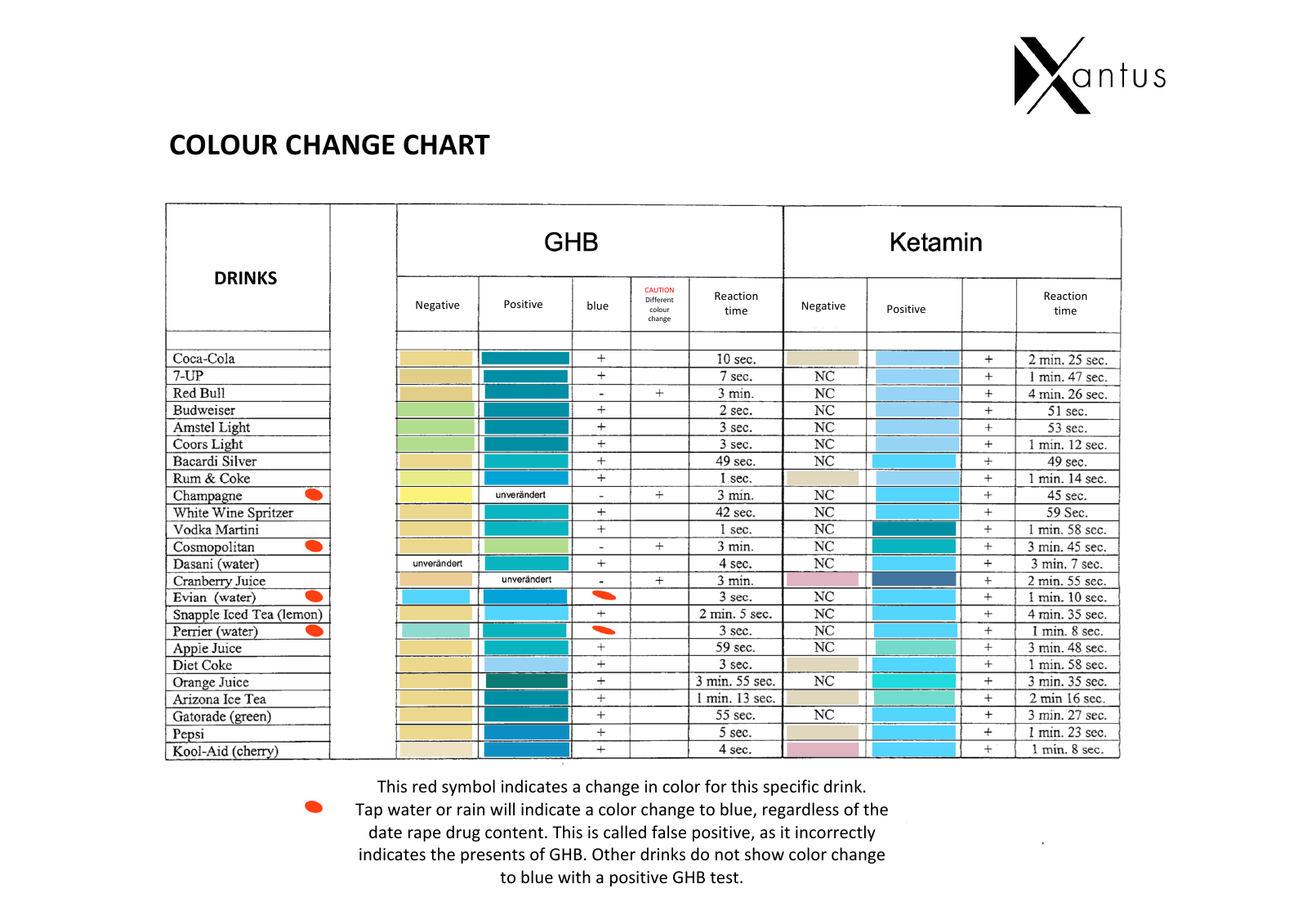
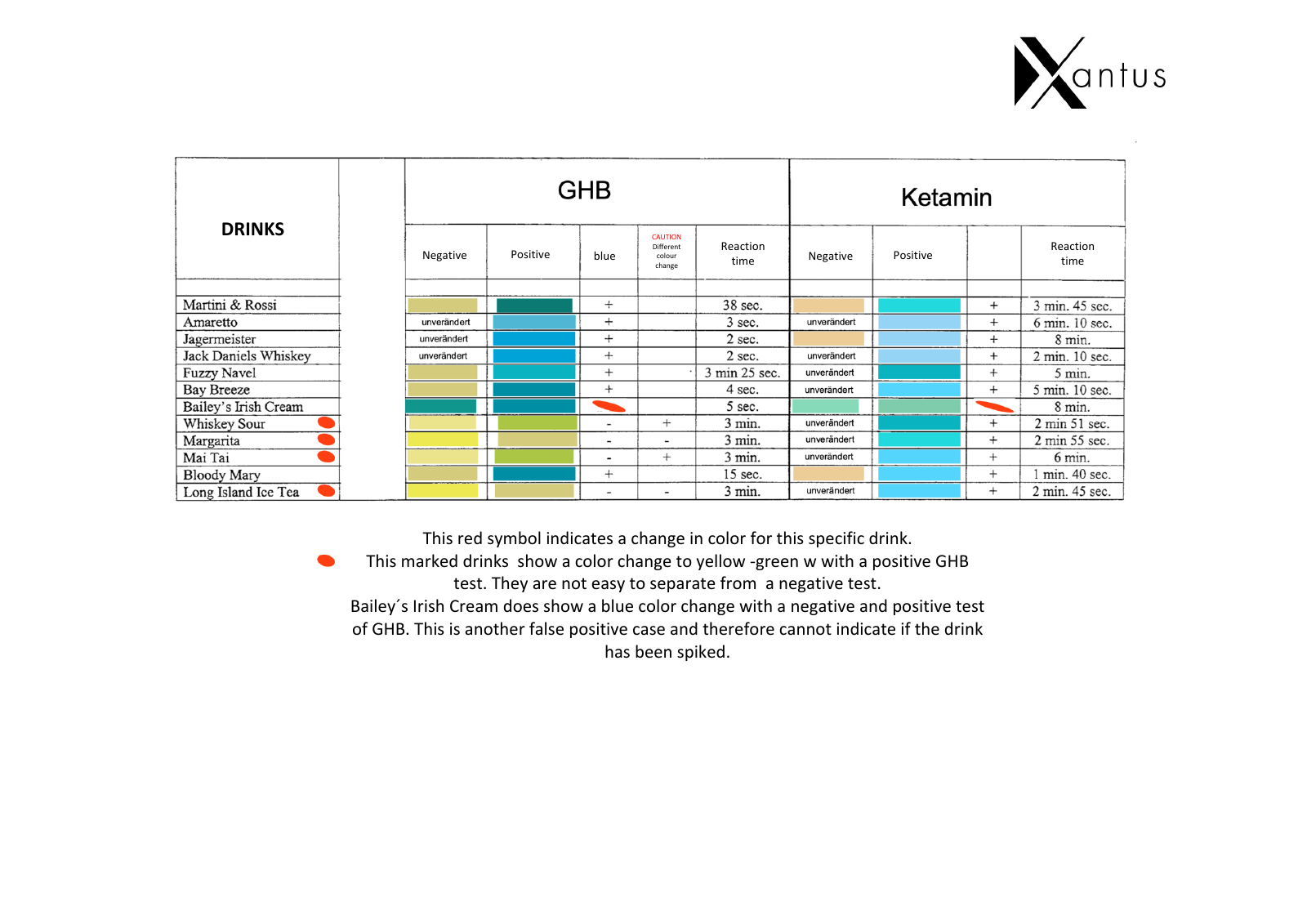
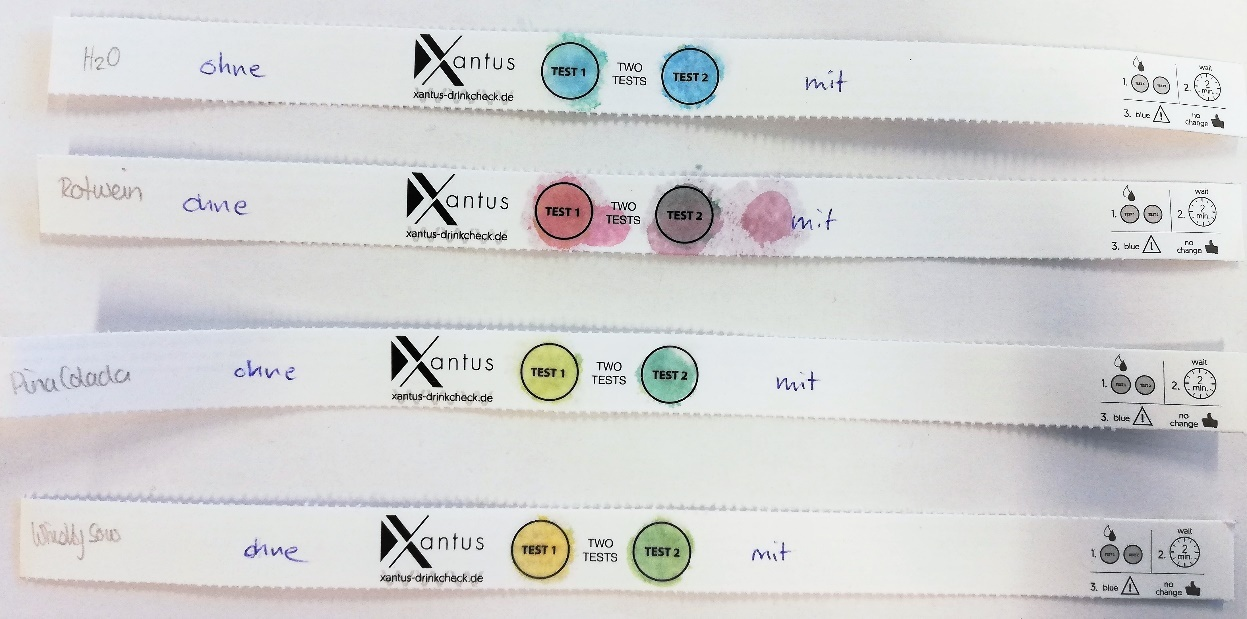
We saved the manufacturer’s publicly promoted Xantus color chart before it mysteriously disappeared from the seller’s website. It was not a private answer to our questions: the product’s own documentation showed how drinks could confuse the test. It covers GHB and ketamine, whereas the wristband study below tested a GHB-only device. The chart records these GHB results:
| Beverage | Recorded problem | Consequence |
|---|---|---|
| Bailey’s Irish Cream | Blue with and without added GHB | Cannot distinguish the two conditions |
| Cranberry juice | No change in the GHB-positive column | Added GHB can be missed |
| Champagne | No change in the GHB-positive column | Added GHB can be missed |
| Whisky Sour and Mai Tai | Positive shades difficult to separate from negatives | Ambiguous result |
| Water | Can turn blue without GHB | False warning |
Table source: Xantus, XANTUS_CCC.pdf, pages 1 and 3. Download the preserved original chart.
The chart gives examples of interference; it supplies no failure rate for products sold today. Buyers need to see these failures alongside the sales claims. Withdrawing unfavourable results from public view makes the product harder to assess. We cannot establish why this chart stopped being available, but we have kept the document and reproduce the relevant pages below. Cereda’s CYD reply separately acknowledged possible false positives with dark red/purple and milk-based drinks, and inconsistent GHB results in highly acidic beverages. CYD’s public instructions acknowledge beverage interference and warn that a negative result does not establish safety. CYD instructions
That warning contradicts the safety-oriented marketing shown on the products above. Customers are sold reassurance, then sneakily expected to work out whether their drink, the lighting or an undetected drug has defeated the test. Putting limitations in the instructions does not fix a misleading sales promise. A warning that can change test result belongs on the packaging, not buried as a footnote. The seller should explain the risk before taking the customer’s money, not leave the customer to discover why “safe” cannot be trusted.
Drink test accuracy: what independent studies found
Kietzerow and Andresen-Streichert’s 2019 preliminary Xantus wristband study found clear GHB detection in only five of ten drink types, despite high GHB concentrations. Water looked positive with or without GHB; other drinks gave unclear or inadequate changes. That is a measured failure across half the tested beverages. A larger study would be needed to estimate performance across the wider drinks market, but these failures already undermine the claim that a negative result can reassure the customer. Original study
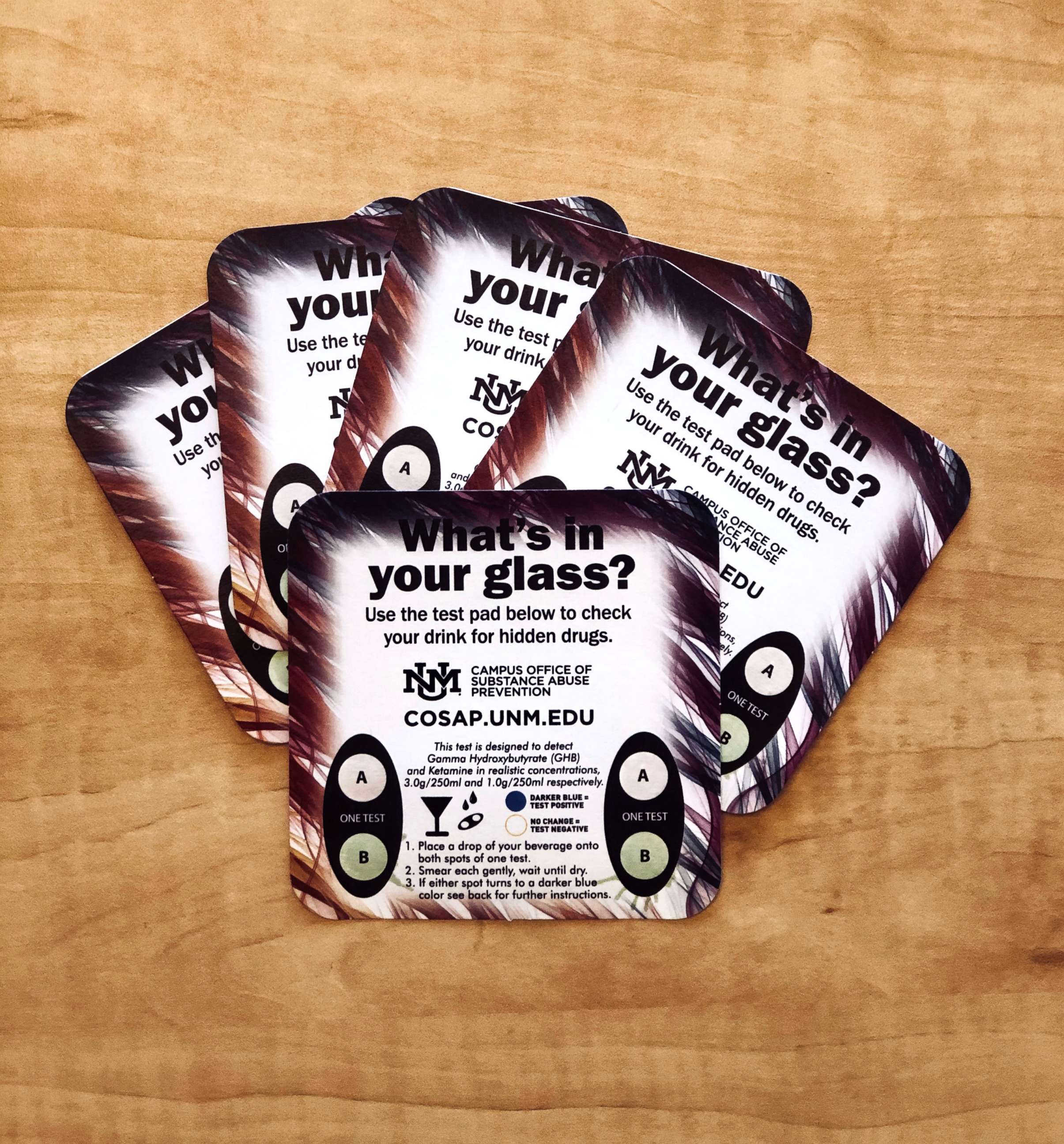
A 2023 evaluation of specific Drink Safe Technologies coasters found zero ketamine sensitivity and GHB sensitivity between 31% and 69%, depending on treatment of inconclusive readings. Those results apply to the coasters and conditions studied. Study
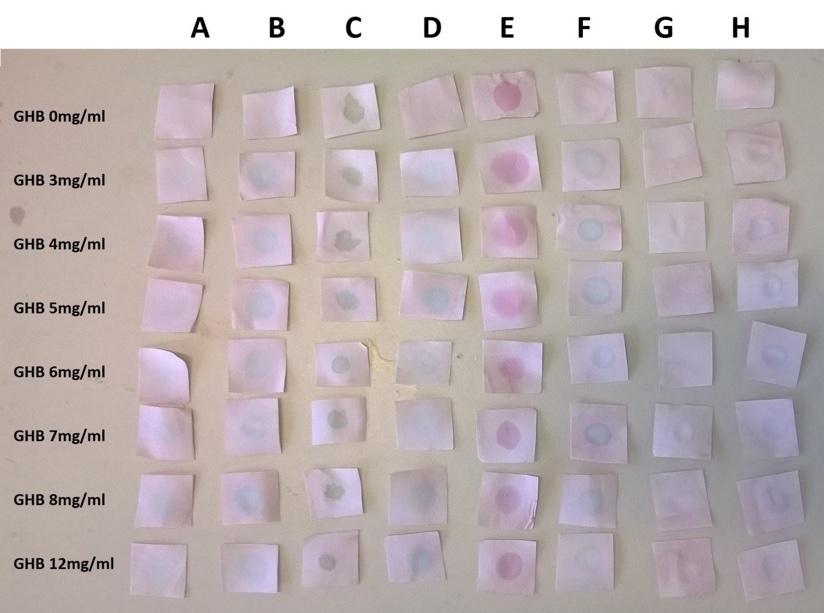
Dim bar lighting and subtle colors add interpretation problems to the chemistry. The 2024 ARU/Drinkaware report warned against treating a few negative drug tests as evidence that a drink is safe. Detecting a drug sometimes does not make a negative result safe to trust. Research report
Keep researching; stop overselling
Camilo Obregon Berg, a Chilean PhD scientist, analytical chemistry expert and founder of the grassroots harm-reduction organization Reduciendo Daño, argues that criticism of these products should not mean abandoning research:
“We should keep researching: we should not assume that better detection is impossible. But research is very different from selling a color-changing nail sticker. These projects attract hype and funding, and that is no substitute for evidence.”
— Camilo Obregon Berg, Reduciendo Daño
What drug-checking tests can tell you
An expected drug is a different question
We sell drug-checking tests ourselves. So why are we against drink test? Suppliers have repeatedly asked us to stock drink tests; we have refused, because we have responsibility to the public first and foremost. Checking a powder sold as for example MDMA (Ecstasy, Molly) gives you a specific claim to investigate. With a drink, you have no idea what someone might have added.
Several color reagents can help check whether a powder reacts as the expected drug should. They still cannot reveal every ingredient, which is a key constrained we are open about: no test can detect every possible compound. A contaminant may give the same color, disappear behind a stronger reaction or produce no visible reaction at all. An unchanged spot on a drink test tells you very little about everything else in the glass. That’s why it is essential to use only appropriate tools, with full transparency regarding their limitations.
Fentanyl strips answer a narrow question
Fentanyl strips and other targeted immunoassays work differently. They can screen for a specified substance or related group even when it is an unexpected contaminant in another drug. Their usefulness depends on sample preparation, dilution, detection limits and known interferences. A fentanyl strip searches for fentanyl and the related compounds it can detect. Its performance in a diluted powder sample says nothing about how it will behave in a cocktail.
We disclose known problems with the immunoassays we sell, too. Our fentanyl-strip instructions warn that vitamin C and insufficiently diluted, overly concentrated samples can cause false positives. High sensitivity does not make a strip immune to interference. False negatives also depend on the brand, batch, detection limit and which fentanyl analogue is present; some analogues are detected poorly or missed. A negative result cannot rule out every potent opioid. Our published limitations, independent analogue comparison
Our fentanyl product page links an independent selectivity and sensitivity study. The University of Notre Dame’s Paper Analytical Device Project also investigates strip quality, batch variation and false positives; its researchers have documented detection blind spots. That research tells where particular strips work and where they fail.
What needs to change
Owners and organizers must make help available
Venue owners and festival organizers are responsible for staffing, security and the response when someone needs help. Handing out flawed tests cannot cover for too few trained staff, security that ignores harassment or no procedure for looking after a severely intoxicated person. A person who is confused, unsteady or unable to communicate may be unable to ask for help at all. Staff need to recognise that situation and act, whether it follows voluntary drinking, drug use, suspected spiking or an unknown cause.
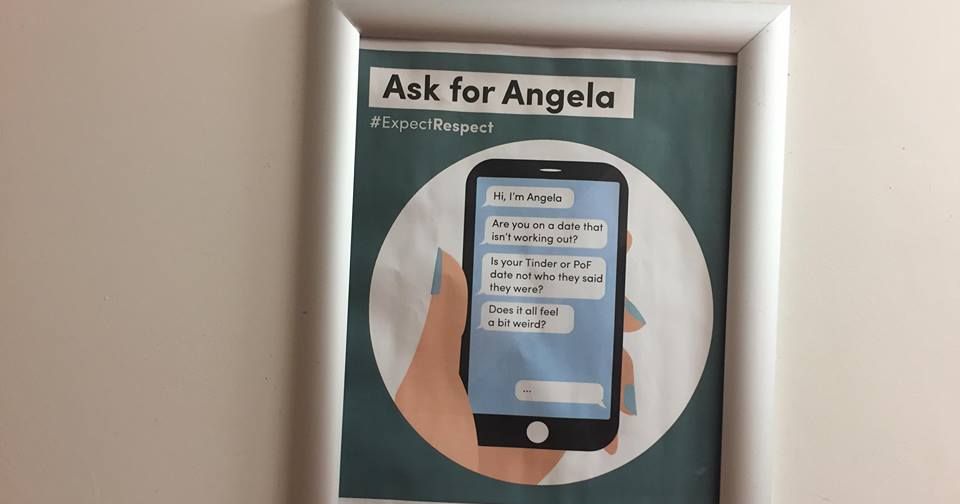
Club and festival rules should explain how to get help when someone is following you, pressuring you or making you feel unsafe. Put the instructions where people can read them privately, including toilets, and train bar staff, security and managers to respond. “Ask for Angela” is one example: at participating venues, asking staff for Angela signals that you need discreet help. It only works if the people on that shift know the procedure. Scheme guidance
- Make reporting easy. Accept a quiet request, a note on a phone or the advertised code phrase. Nobody should have to explain themselves in front of the person they fear.
- Offer somewhere private. Listen, ask what help they want and involve a trained colleague without announcing the situation across the bar.
- Help them leave safely. Offer contact with a trusted person, safe transport or emergency assistance as needed. Do not hand them over to someone simply claiming to be their friend.
- Look after severely intoxicated people. Train staff to recognise medical emergencies, get medical help and provide a staffed place of safety. Do not eject someone who cannot look after themselves onto the street or leave them alone.
- Act on harassment. Enforce rules against unwanted touching, intimidation and tampering. Help must never depend on a positive drink test.
Journalists must check the claims before amplifying them
A viral TikTok is not evidence that a drink test works as advertised. Journalists should consult independent analytical toxicologists and drug-checking researchers before repeating a seller’s safety claims. Ask which substances the test misses, which drinks interfere, and whether independent studies support the advertised performance. Report those limits alongside the headline claim, rather than burying them at the end. Coverage should also examine venue safeguards and access to help, instead of presenting another gadget as the solution.
Personal precautions are a backup
While owners and organizers put proper safeguards in place, some free precautions can reduce opportunities for tampering:
- Watch preparation: see what goes into your drink where practical.
- Keep it with you: avoid leaving it unattended.
- Replace a drink you no longer trust: a negative strip cannot clear it.
- Look out for friends: respond to sudden impairment, regardless of any test result.
These are optional precautions, not conditions for receiving help. Spiking can happen despite them; a severely intoxicated person may be unable to follow them.
Don’t patronize victims
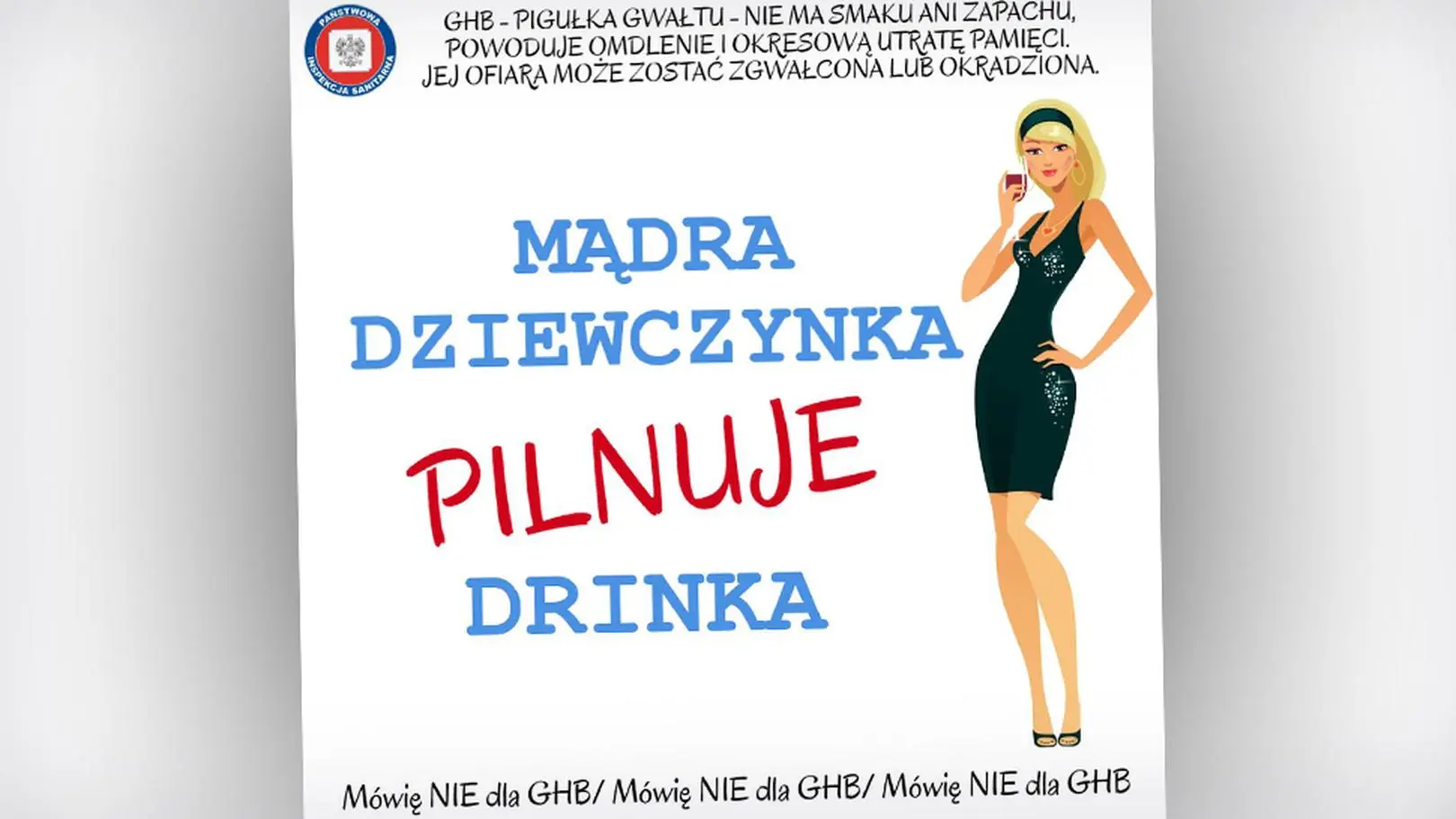
Poland’s public institution GIS inadvertedly illustrated the difficulty of communicating in 2017 with “Mądra dziewczynka pilnuje drinka”, roughly “A smart girly watches her drink”. The graphic focused on GHB and showed a woman holding a glass. It drew criticism for infantilising women and implying that an assaulted woman had failed to be sufficiently careful. Related reporting
The campaign was also criticised for placing responsibility on women. Calling adult women “little girls” and dividing them into smart and foolish ones deserves criticism. We disagree with the latter however, that advising someone to watch their drink amounts to blaming them for an assault. Keeping a drink within sight limits opportunities to tamper with it. That advice assigns no responsibility for someone else’s crime. The perpetrator remains responsible, including when a victim took no precautions. Campaign criticism
Men can be victims too
“Why is the messaging always aimed at women? Men can be victims too, including of robbery. Prevention needs to include them.”
— Camilo Obregon Berg, Reduciendo Daño
The campaign’s focus on girls also narrows who is expected to need help. People of any gender can be spiked, sexually assaulted or robbed. A man reporting sudden impairment deserves the same prompt response as a woman, and staff should never assume that someone is safe simply because of their gender. Home Office guidance
Theft and robbery are major concerns alongside sexual assault. Spiking can leave someone unable to protect their belongings, leave a situation or explain what has happened. The Birmingham/National Crime Agency review documents several motives and warns that studies often select cases through the crime that followed. That makes a universal comparison between theft and sexual assault unreliable; it does not make theft a minor concern. Venue procedures should cover both. Research review
Watching a drink reduces someone’s opportunity to add something, whatever chemical they choose. The advice applies to every gender. Consent education and prosecution of perpetrators belong alongside it. Venues should train staff, take reports seriously and help people promptly, regardless of any test result.
If spiking is suspected, stop drinking and seek help from someone trusted or venue staff. Serious symptoms require urgent medical assistance. Preserve the drink if feasible without delaying care, and seek advice promptly about forensic testing. Do not make someone prove a positive strip result before helping them. Support guidance
We use reagents to investigate an expected drug and immunoassays to look for particular contaminants under tested conditions. Neither gives us a way to clear an unknown cocktail of every possible spiking substance.
A suitcase of tests cannot replace keeping control of your drink
Imagine taking these tests on a date. You have no idea what someone might add. Which test would you even reach for?
- One strip cannot cover the possibilities. You would need an arsenal of separately validated tests, compatible with the drink and sensitive enough for each target: the proverbial suitcase of tests.
- Testing is only a snapshot. Even that arsenal would describe the sampled drink at that moment. It could not prevent something being added afterwards.
- Personal vigilance has limits. Keeping a drink with you costs nothing, but it cannot replace trained staff, attentive security or a working welfare service.
- An uncertain drink needs replacing, not clearing. Relying on a negative result does not resolve the uncertainty.
Selling a narrow chemical screen as reassurance is why we call these products a scam. Owners and organizers should spend their effort on preventing harassment and helping people who are unsafe or severely intoxicated. A strip is no substitute for that work.
A cover can block access
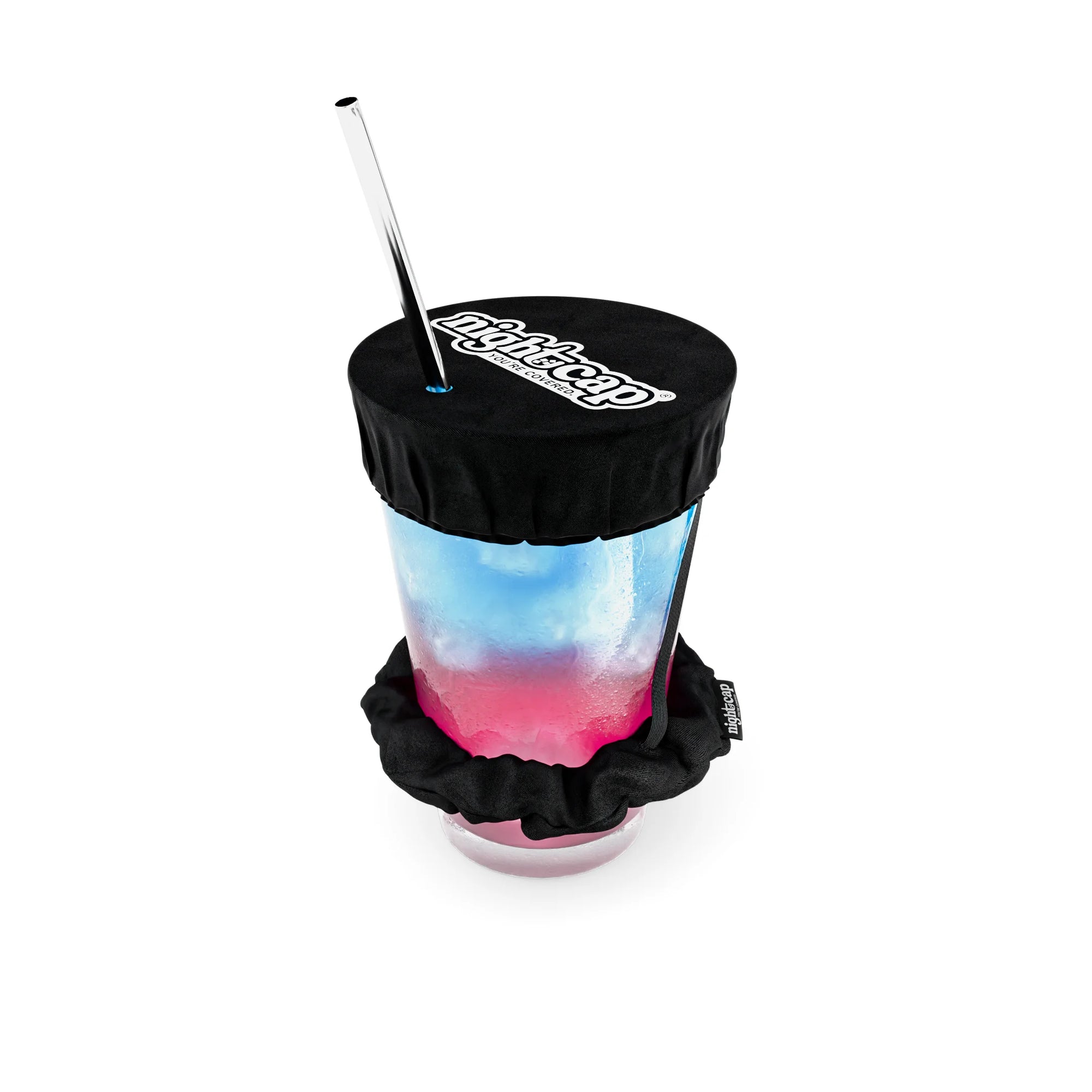
A well-fitting drink cover puts a barrier between the drink and someone trying to add something. It does not need to guess whether the threat is a benzodiazepine, GBL or something outside a test’s target list. Police venue guidance includes lids and stoppers as measures that can reduce risk. Venue guidance
It must fit, remain in place and leave as little access as practical. It cannot remove anything added earlier, stop all tampering or replace awareness.
Why we refuse to sell drink-spiking tests
We encourage drug checking because it can help people reduce harm. Selling tests carries a responsibility to the public: explain what they can detect, disclose known failures and refuse promises the evidence cannot support. That responsibility matters more than another sale. Test your drugs where the method can answer a useful question, and follow harm-reduction advice regardless. No test guarantees safety, because no substance is 100% safe, regardless of test result.
Drink-spiking tests cannot establish that an unknown drink is safe. Different form factor cannot fix missed drugs or misleading reactions. Venue owners and festival organizers must provide trained staff, effective security and discreet help, supported by factual education. A well-fitting cover may limit access to a drink; a negative color test cannot clear it for drinking. We urge readers to pass this message onto their friends and help us combat dangerous misinformation.