


How pure is European ketamine?
European ketamine is usually very pure: of the 242 published samples that carry a purity figure, half came in above 95%. Before that number reassures you, read what it is a number about: it describes samples a laboratory had already confirmed were ketamine. It is conditional on identity, and identity is the thing you do not have.
That is the useful way round for this substance. The question a reagent answers here is not "how pure is my ketamine" but "is there any ketamine in this at all", and the answer is no more often than the purity figure suggests.
What turns up alongside it
Of 440 samples submitted as ketamine, 30% contained a second compound.
The table below counts what came back alongside the ketamine.
| Detected alongside ketamine | Samples |
|---|---|
| MDMA | 49 |
| Caffeine | 29 |
| 2-MMC | 21 |
| Cocaine | 18 |
| Unknown | 18 |
| 2C-B | 16 |
| 4-MMC | 10 |
| Amphetamine | 10 |
Read that list as a stimulant list. MDMA in 49, cocaine in 18, the cathinones in 31 and amphetamine in 10, so nearly a third of what people submitted as ketamine came back carrying something with a completely different duration and a completely different dose. A dissociative dose taken on top of an unexpected stimulant is a different evening from the one that was planned, and none of those substitutions is visible in the powder.
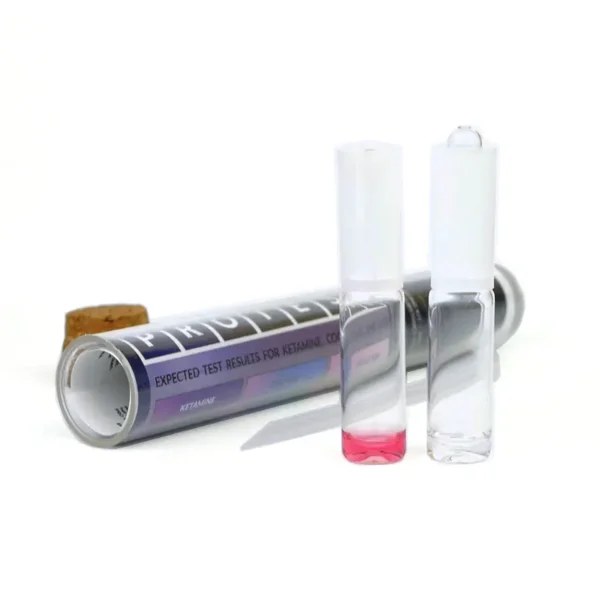
Morris settles it in under a minute, which is the whole argument for the kit even in a market where half the samples come in above 95%.
Browse the alerts database · Is tusi the same as 2C-B
Which reagents
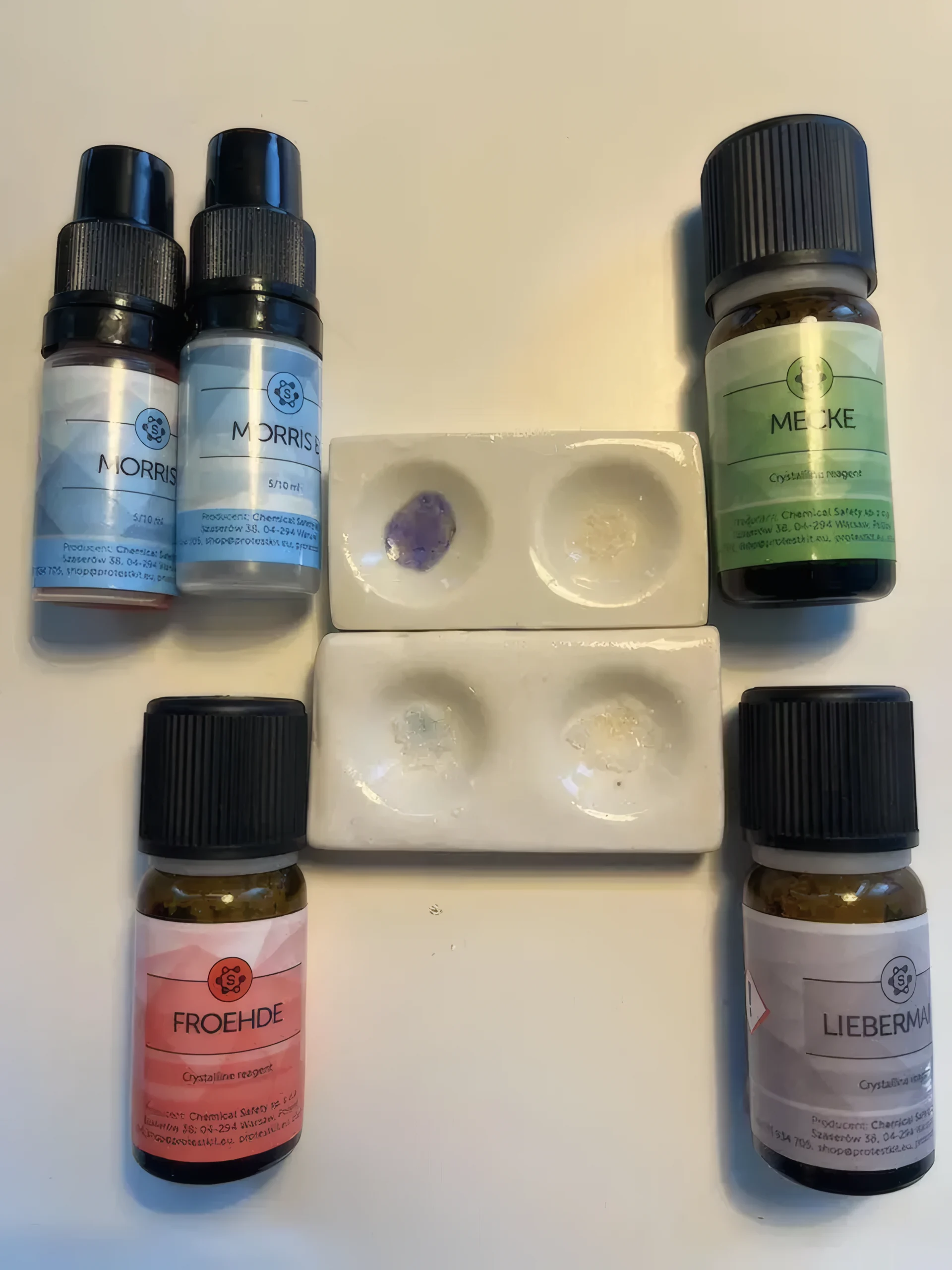
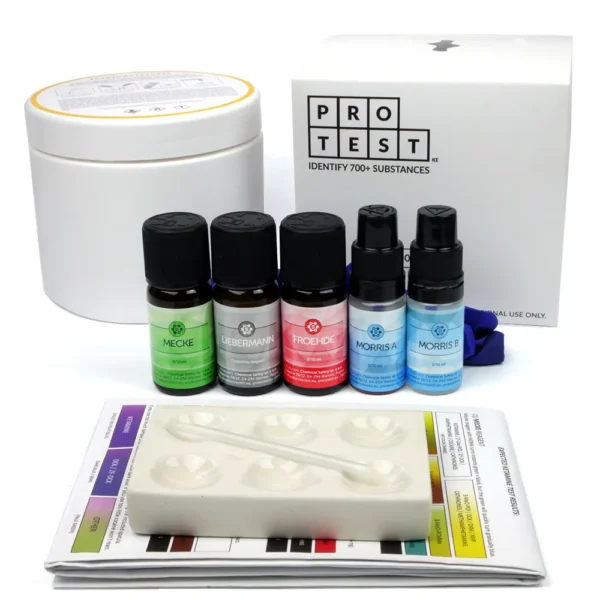
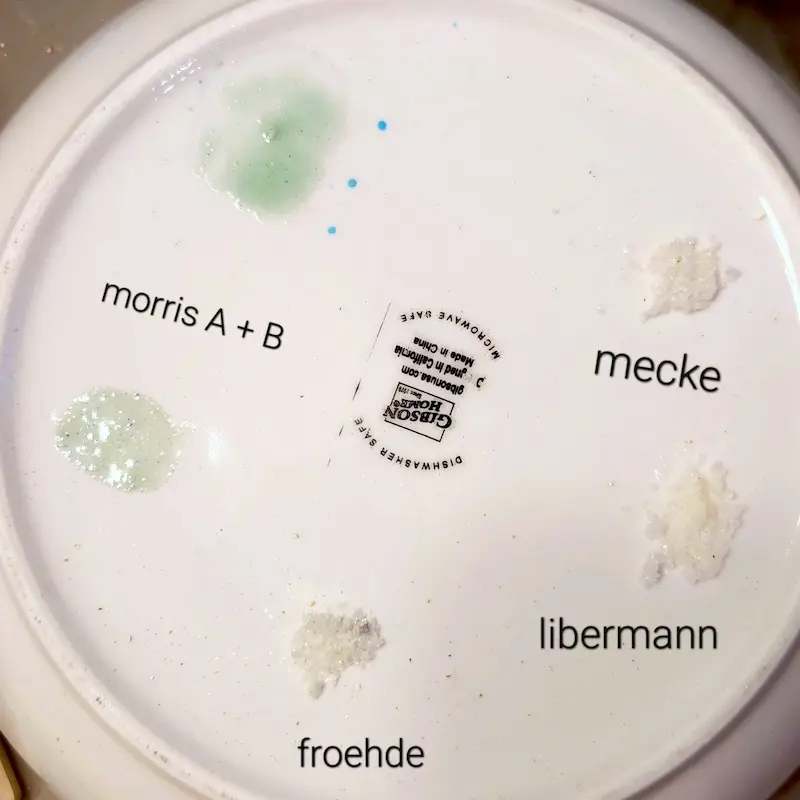
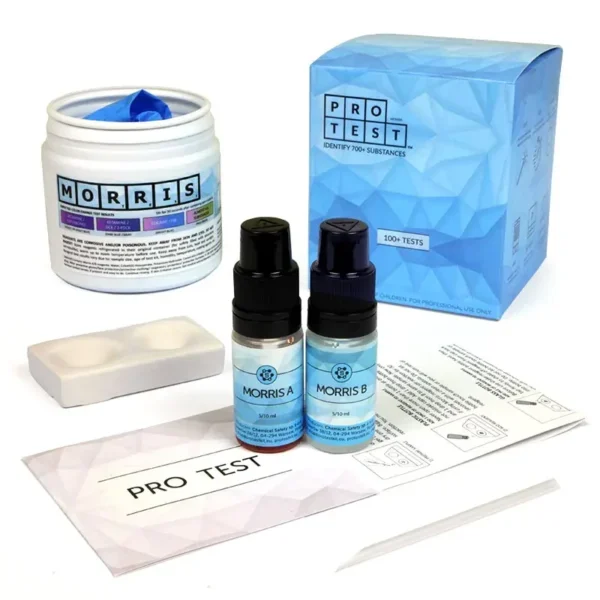
Morris is the anchor for ketamine and reads it more clearly than Mecke does, with Liebermann and Froehde adding colour points. The one thing Morris asks for is stirring. Mix the reagent into the sample for about 30 seconds with a clean tool, not less and not much more, then read it within three minutes. It is easy to get right and easy to repeat.
Then the purity question, in that order
Once the reagents say ketamine, that 95% figure becomes relevant, and only then. It does not help you with the sample in front of you either, since the 440 records include samples at the bottom of the range as well as the top. A TLC purity kit separates the sample and estimates the percentage against a calibrated reference, and ketamine is one of the five compounds with a lab-verified curve.
How a TLC test works · Full method · What is ketamine
Ketamine purity in Europe, and how to test yours: common questions
If most ketamine is pure, why test?
Because the purity figure only counts samples a lab had already confirmed were ketamine, and it cannot tell you that yours is. Nearly a third of submitted samples carried something else, and the substitutes are stimulants with a different duration and a different dose. Morris answers that in under a minute.
What is it substituted or cut with?
Other active drugs far more often than filler: MDMA in 49 samples, the cathinones in 31, cocaine in 18, amphetamine in 10.
Why did my Morris test look black and unreadable?
Probably too much sample. Use a scraping rather than a scoop and compare the edge of the reaction.
Can a reagent tell me the percentage?
No. That needs TLC against a calibrated reference, or a laboratory.
No test result can tell you a substance is safe. No substance is 100% safe.This article is published for harm reduction purposes. It does not encourage the use of psychoactive substances and does not replace medical advice.