


What is amphetamine?
What is Amphetamine?
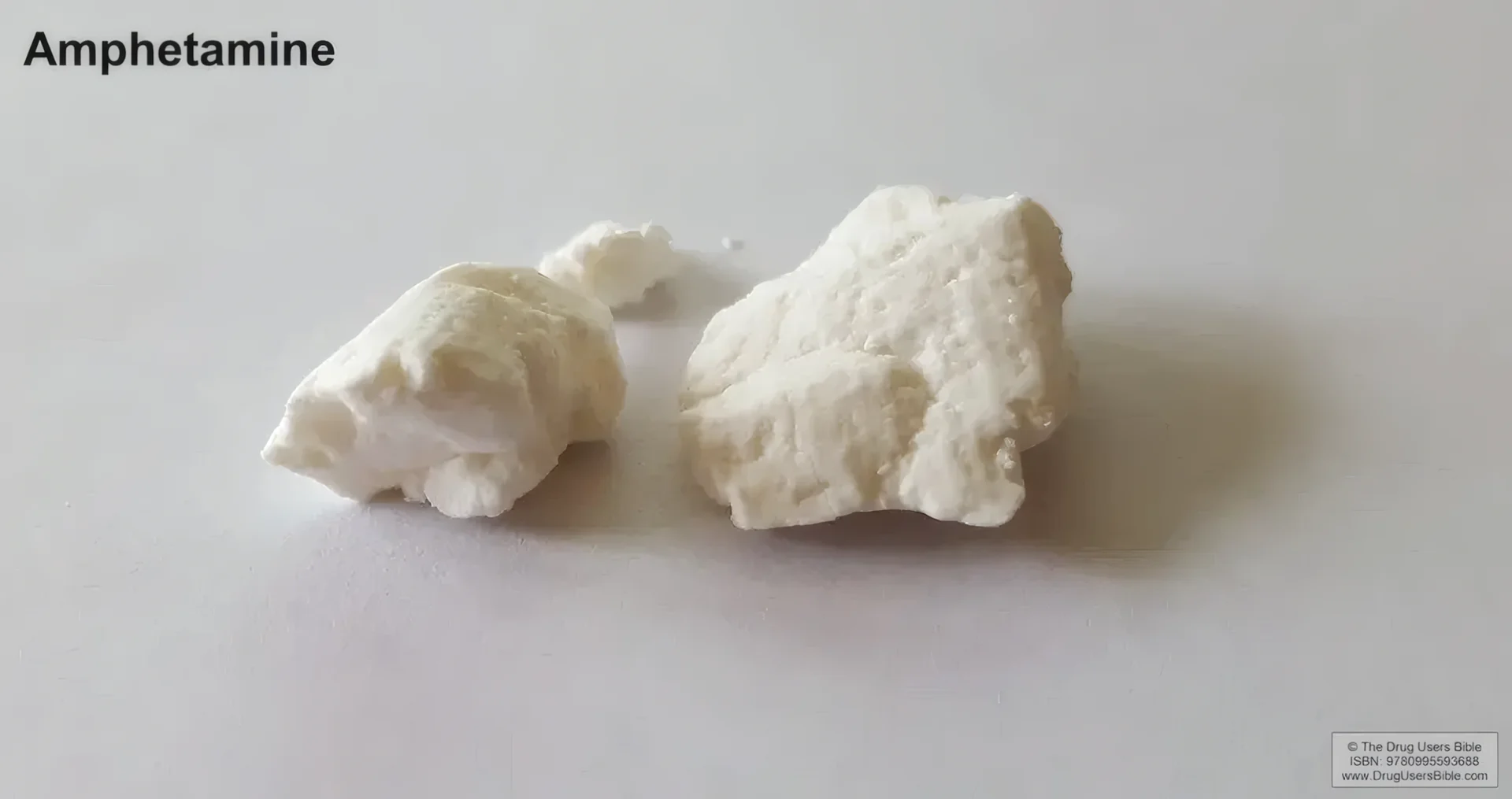
Amphetamine is a synthetic psychoactive substance from the group of amines, known for its stimulating effect on the nervous system. It is widely used in medicine as a remedy for attention disorders, hyperactivity, and sleep disturbances. However, due to its potential for non-medical use, amphetamine is also used recreationally.
Description and History of Amphetamine
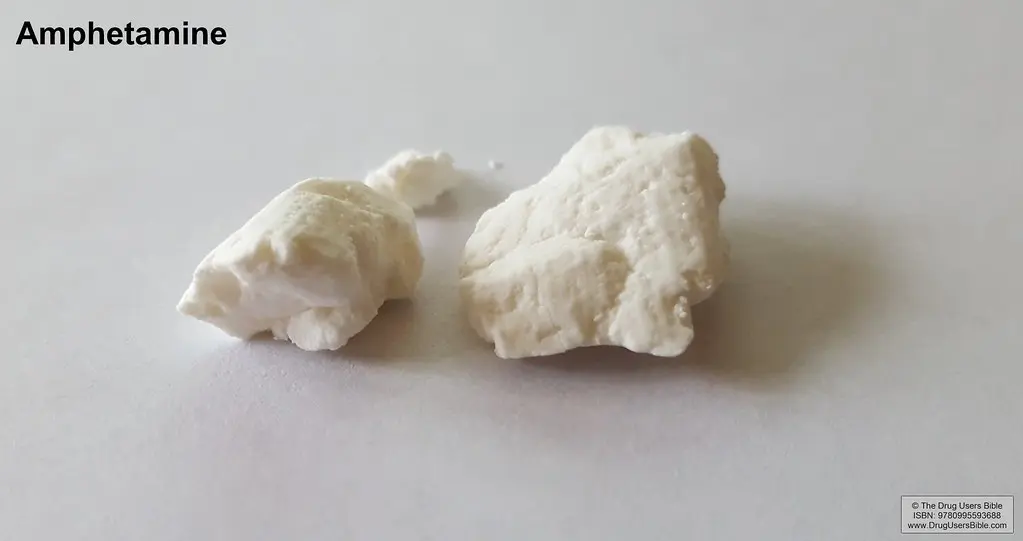
Amphetamine was first synthesized in 1887 by the Romanian chemist Lazar Edeleanu. However, its pharmaceutical potential was not immediately recognized. It was only in the late 1920s that amphetamine became popular as a treatment for hypertension and asthma. In the 1930s and 1940s, it was widely used by soldiers during World War II, contributing to its widespread usage.
VIDEO: Do's and don'ts of amphetamine use (enable captions)
How does Amphetamine work?
Amphetamine is a psychoactive substance that primarily affects the central nervous system. It works by increasing the release of neurotransmitters such as dopamine, norepinephrine, and serotonin in the brain. This leads to an increased sense of energy, alertness, and mental stimulation. However, amphetamine is a substance with high addictive potential.
Amphetamine: Effects
- Increased sense of energy: Amphetamine often leads to a significant boost in energy and stimulation.
- Enhanced alertness: Amphetamine users may experience markedly heightened alertness and focus.
- Increased self-confidence: Amphetamine can increase self-confidence and courage.
- Enhanced physical performance: The action of amphetamine can lead to improved physical performance.
- Altered perception of time: Amphetamine can affect the perception of time, causing a feeling that time is passing faster.
- Potential side effects: Using amphetamine carries the risk of side effects such as irregular heartbeat, anxiety, and psychosis.
- Risk of addiction: Amphetamine is a substance with high potential for both psychological and physical addiction.
- Potential health effects: Long-term use of amphetamine can lead to serious health consequences, such as damage to the heart, nervous system, and mental health.
Amphetamine: Duration of Effects
- Onset of effects: The effects of amphetamine typically manifest relatively quickly after consumption, usually within a few minutes.
- Peak of action: Amphetamine reaches its maximum effect within the first few hours after ingestion.
- Duration of effects: The effects of amphetamine can last for about 3-6 hours, but this can vary depending on the dosage and individual body reaction.
- Crash: After the period of amphetamine’s action, users may experience a “crash,” characterized by a decrease in energy, anxiety, and irritability. This period can last for several hours or longer.
Amphetamine: Dosage
- Standard dosage: A typical amphetamine dosage ranges from 10 to 30 mg and can be administered orally.
- Low dosage: Dosages below 10 mg are considered low and may induce subtle effects.
- High dosage: Dosages above 30 mg may lead to stronger effects, but they carry a higher risk of side effects and health consequences.
VIDEO: What are the effects of Amphetamine? (turn on captions)
Harm Reduction: Amphetamine
Do not use amphetamine, especially if:
- You have a history of heart conditions or high blood pressure.
- You are taking medications that may interact with amphetamine.
- You are pregnant or breastfeeding.
- You have a history of mental health issues.
- You are in an uncontrolled or unfamiliar environment.
Here are some basic harm reduction tips for using amphetamine:
- If you lack experience and/or are unsure of the concentration, start with a low dose.
- Maintain proper hydration, but avoid excessive water consumption (hydration must be balanced).
- Avoid frequent use to prevent tolerance and potential neurotoxicity.
- Exercise caution when combining amphetamine with other substances.
- If serious adverse effects occur, seek medical assistance immediately.
- Always test amphetamine for purity using a reliable PRO Test drug testing kit. Learn how to test amphetamine by checking the article /how-to-test-amphetamine.
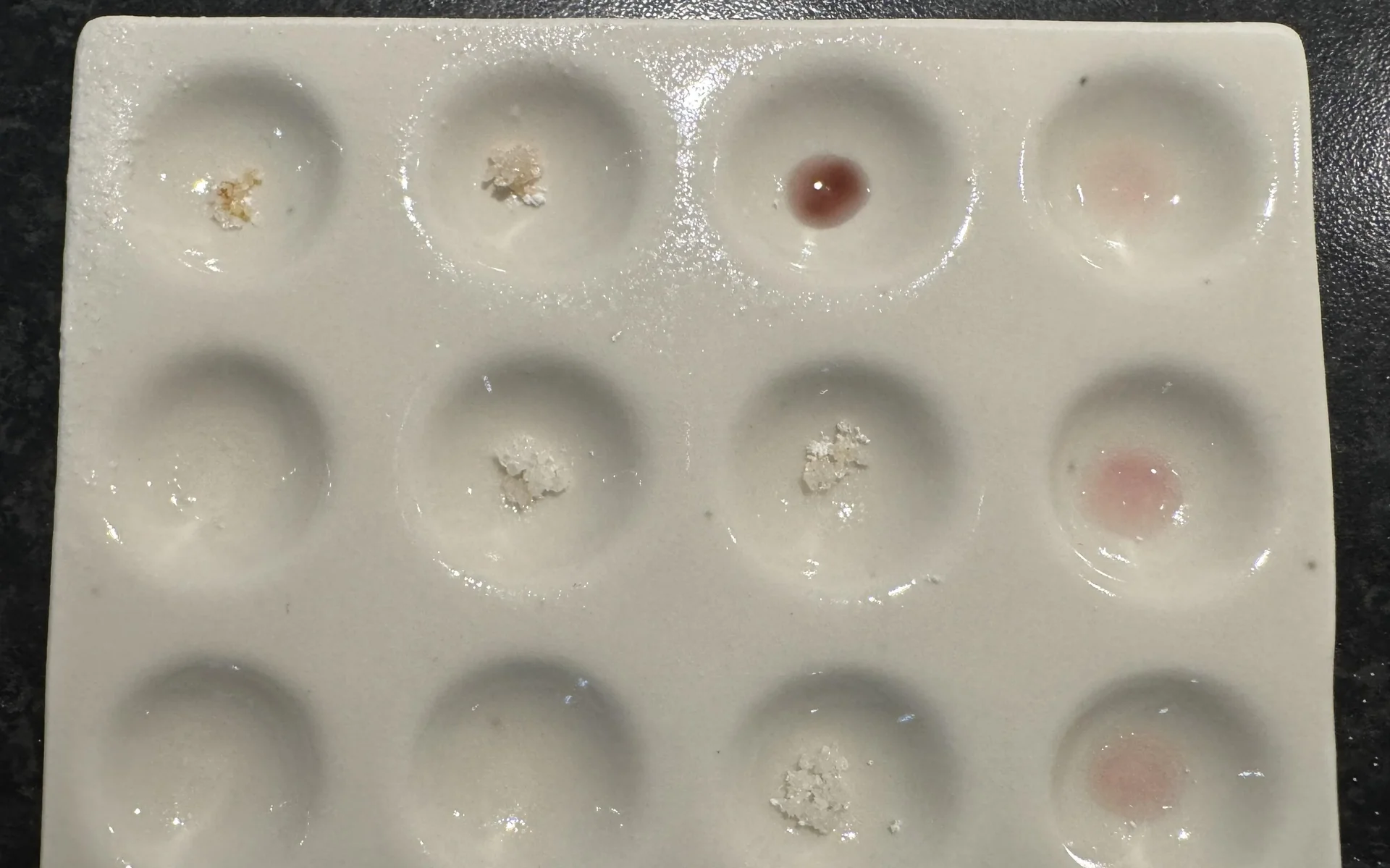
Click on the above article to find out how to test for amphetamine.
Mixing: Amphetamine
It is best not to mix any psychoactive substances, but if it cannot be avoided, it is important to be aware of potential risks. Here is a list of the main risks of mixing amphetamine with popular psychoactive substances:
- Amphetamine and Alcohol: The combination of amphetamine and alcohol can increase cardiac risks and lead to potentially impaired judgment.
- Amphetamine and Benzodiazepines: The combination can lead to a reduction in the stimulating effects of amphetamine but also increases the risk of excessive consumption of either substance.
- Amphetamine and DMT: The combination of amphetamine with DMT can amplify effects and potential disorientation.
- Amphetamine and GBL: Amphetamine does not add respiratory depression, but it masks GBL’s sedation, so the risk is redosing GBL because you cannot feel it working. That redose is what stops breathing.
- Amphetamine and GHB: Amphetamine does not add respiratory depression, but it masks GHB’s sedation, so the risk is redosing GHB because you cannot feel it working. That redose is what stops breathing.
- Amphetamine and Psilocybin Mushrooms: The combination can lead to potential enhancement of psychedelic effects.
- Amphetamine and Serotonin Reuptake Inhibitors (SSRIs): Reduced amphetamine action can lead to excessive amphetamine consumption.
- Amphetamine and Ketamine: The combination of amphetamine with ketamine can lead to intensified dissociative experiences and disorientation.
- Amphetamine and Caffeine: The combination can enhance stimulating effects and potentially increase heart rate.
- Amphetamine and MDMA: The combination of amphetamine with MDMA can increase the risk of cardiovascular stress and potentially excessive stimulation.
- Amphetamine and LSD: The combination can lead to potential enhancement of psychedelic effects.
- Amphetamine and MAOi: Combining amphetamine with MAOi carries a very high risk.
- Amphetamine and Methamphetamine: Concurrent use of amphetamine and methamphetamine can excessively stimulate the cardiovascular system and increase health risks.
- Amphetamine and NBOMe: The combination of amphetamine with NBOMe can lead to enhancement of effects and increased risk of excessive stimulation.
- Amphetamine and Opioids: Combining amphetamine with opioids carries an increased risk of respiratory depression and overdose.
- Amphetamine and Nitrous Oxide: The combination can lead to intensified dissociative effects and potential disorientation.
- Amphetamine and THC: The combination of amphetamine with THC can increase the risk of anxiety and paranoia.
- Amphetamine and Tramadol: The combination of amphetamine with tramadol may carry a potential risk of serotonin syndrome and life-threatening reactions.
Is Amphetamine Legal?
Amphetamine is classified as a controlled substance in many countries, including Poland and the United States. In most jurisdictions, it is illegal to produce, possess, or distribute amphetamine for non-medical purposes.
Sources:
- erowid.org
- dmt-nexus.me
- psychonautwiki.org
- tripsit.me
- wikipedia.org
How to test amphetamine
Appearance cannot identify a substance or its strength. These are the kits that check an amphetamine sample:
- PRO Test Kit for Amphetamine and Cuts Identification
- PRO Test Kit for Amphetamine Purity and Identification
Not sure which to choose? Read What is the best drug test? or browse all drug checking test kits.
Disclaimer
The information presented on this page is not intended to promote drug use. Many of the substances mentioned are illegal according to national and international law, and possessing these substances is punishable by law. Never assume that a substance is safe. The concentration, purity, and additives can vary greatly, even if the samples come from the same source or look similar. Chemical Safety sp. z o.o. strongly discourages the use of any psychoactive substances – legal or illegal. Using psychoactive substances always carries health risks that can be avoided.
No test result can tell you a substance is safe. No substance is 100% safe.This article is published for harm reduction purposes. It does not encourage the use of psychoactive substances and does not replace medical advice.