


What does heroin look like?
This article has been translated to English.
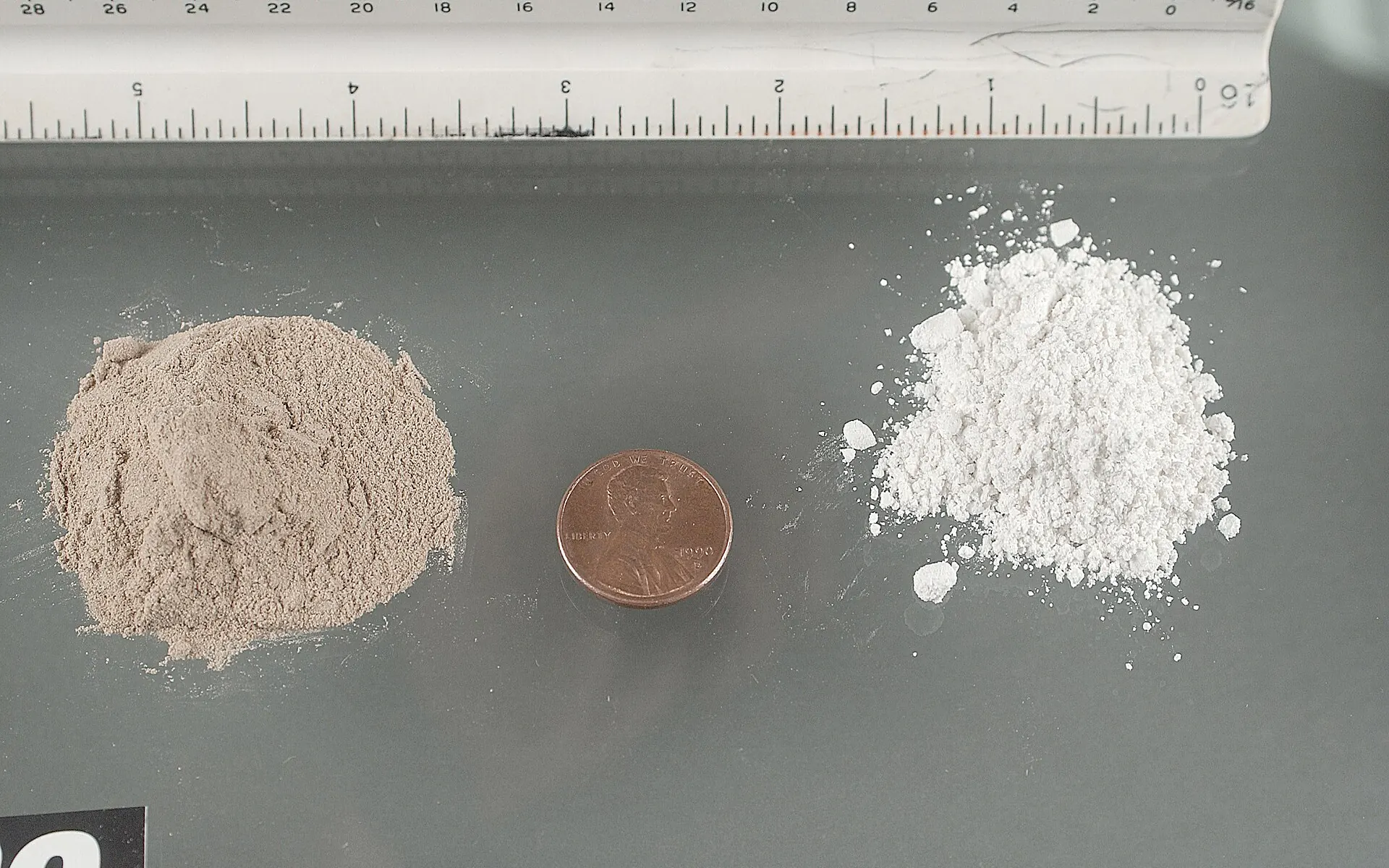
Heroin appears as brown powder, as white or off-white powder, and as a sticky dark solid, and the differences mostly reflect where it was made and how it was processed. None of the variation addresses the thing that has changed the risk in recent years, which is what else is in it.
Forms of heroin
The table below lists the shapes heroin turns up in. Each one says something about processing, and none of them says anything about quality.
| Form | Looks like | Tells you |
|---|---|---|
| Brown powder | Tan to dark brown, coarse | Base form, common in Europe |
| White powder | Off-white, fine | Salt form, dissolves more readily |
| Sticky solid | Dark, tar-like | Different processing, less common in Europe |
Heroin No. 1 to No. 4
The numbers are production stages. Each grade is the one before it taken a step further, and the step decides what the material looks like and how it can be taken.
The table below gives the four, what each one is, and what it looks like in the hand.
| Grade | What it is | Looks like |
|---|---|---|
| No. 1 | Morphine base, not heroin yet | Coffee colored, coarse |
| No. 2 | Heroin base, before the salt step | Off-white to beige |
| No. 3 | Crude salt cut with caffeine, for smoking | Hard grains, light brown to gray |
| No. 4 | Heroin hydrochloride, for injection | Fine white powder |
No. 1 is morphine base, the brown material pulled out of opium before any heroin exists. It is the raw material for everything below it.
No. 2 is heroin base. The acetylation has happened and the salt step has not, so it sits in water without dissolving.
No. 3 is the smoking grade, sold as brown sugar. The base is converted to a crude salt and then cut heavily with caffeine, which drops the temperature the mixture vaporizes at and makes chasing possible. Caffeine has been measured anywhere from 22% to 69%, usually around 40%, with the heroin itself at 25% to 45%.
No. 4 is heroin hydrochloride carrying few adulterants, reported up to 98% pure. It is white, fine, dissolves in water, and it is the injecting grade.
European supply sits awkwardly across this scheme. Most brown heroin in Europe is Afghan base, closer to No. 2, so people who inject it add citric or ascorbic acid to get it into solution. The No. 3 label belongs to the Asian smoking grade, which has been through the salt step and carries caffeine by design.
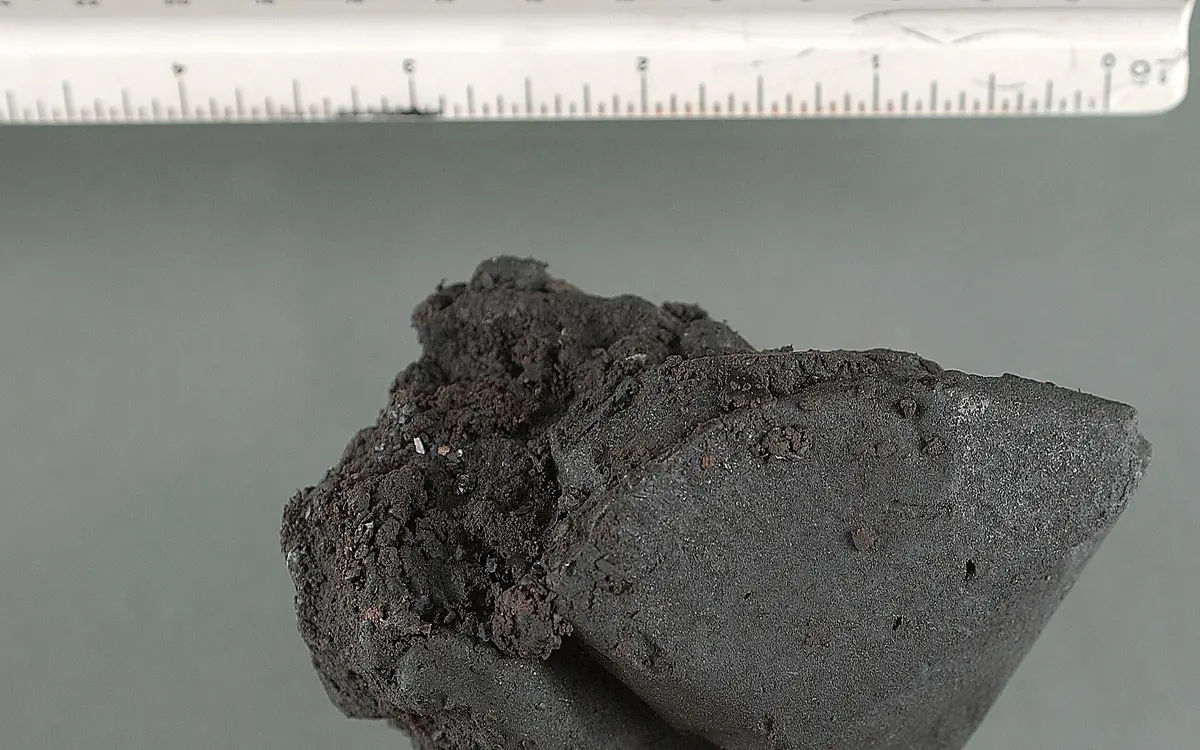
Black tar belongs to none of the four. It comes out of a shorter Mexican process that stops while the material is still dark and sticky, and it reaches Europe rarely.
The color of heroin
In this one case color tells you something real. The gap between brown and white is chemistry.
White heroin is the hydrochloride salt. It dissolves in water, and it is the form that historically came out of south-east Asia. Brown heroin is the base. It does not dissolve in water and needs an acid to go into solution at all. Brown is the usual European supply, and its color comes from the process stopping at the base, one step short of the salt, along with whatever plant material and residue was never washed out.
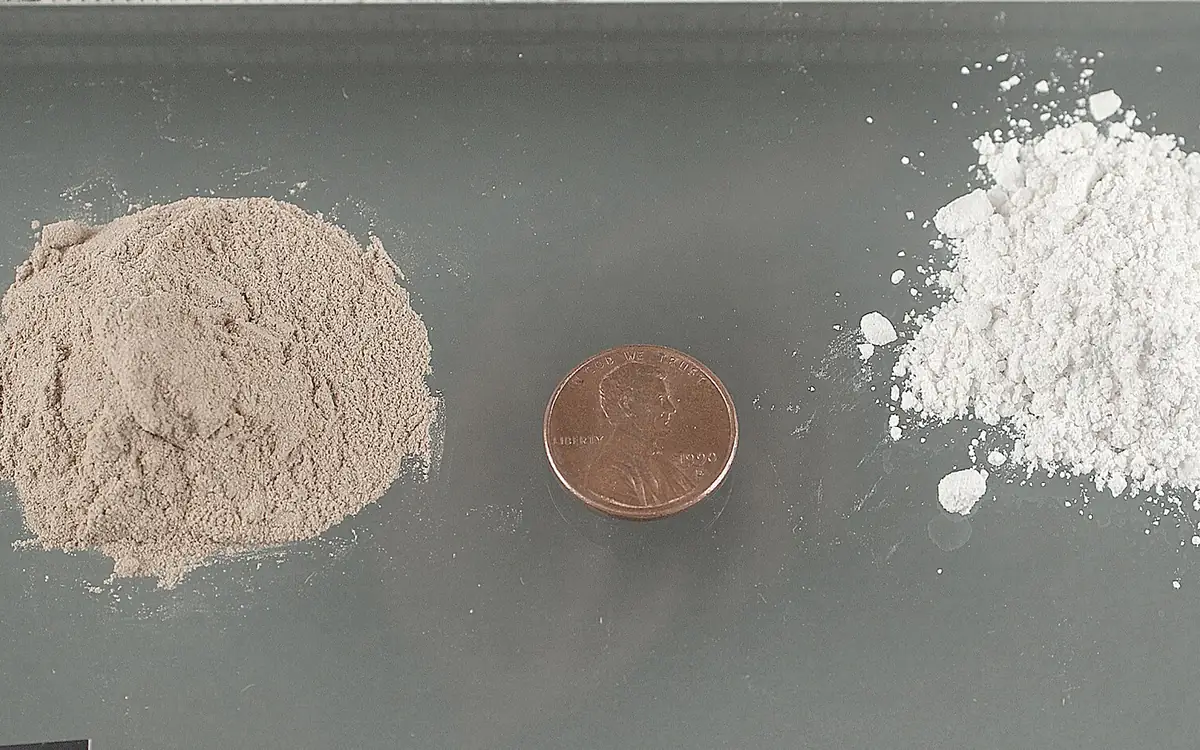
So brown against white is a real difference in what the substance is. Neither one is a grade. The common cuts and most of the dangerous adulterants are white, so whiter material is not automatically purer and brown material is not automatically cruder.
Color cannot show the thing that matters most here, because the synthetic opioids turning up in this supply are active at amounts far too small to see, and they do not change how a powder looks.
The texture and shine of heroin
Coarse or fine, sticky or dry, all follow from processing and storage. Paracetamol and caffeine are frequent additions and are invisible once mixed. Nothing in the texture distinguishes a heavily cut sample from a strong one.
Substances that can look like heroin
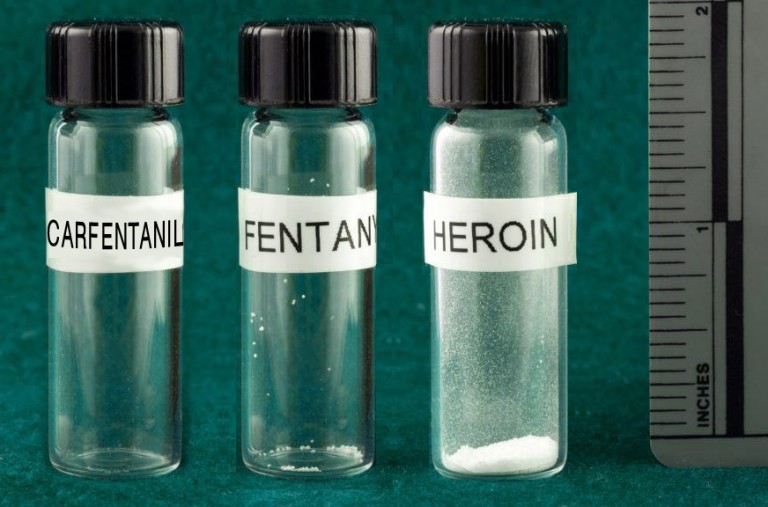
The important one cannot be seen at all. Fentanyl and nitazenes are active at amounts far below what is visible, so a sample containing a lethal quantity looks exactly like one that does not. They are also distributed unevenly, so one part of a bag can differ from another.
What heroin appearance can tell you
Very little. Vinegar smell, clumping and color all describe processing. None of them address the adulterants that account for the deaths.
Why appearance cannot identify heroin
Nothing above identifies a substance. Appearance cannot tell you which molecule you have, it cannot tell you how much of it is there, and it cannot see the cuts, because the things added to heroin are chosen partly for looking like it. Two samples that look identical can be different substances at different strengths.
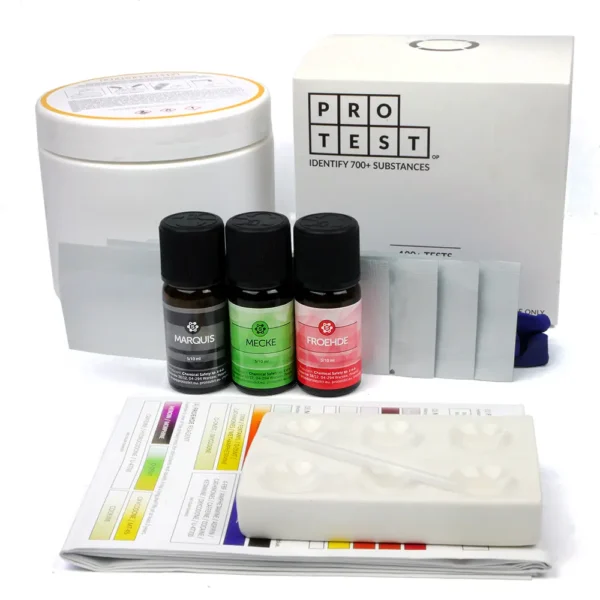
That is not a reason to give up on knowing. It is the reason chemistry exists, and the steps are quick. A reagent answers what the substance is. A testing card separates the sample and shows what else is in there along with a rough percentage. A laboratory analysis gives you an exact figure when the answer has to be exact.
For identity and cuts on your own sample, the first link below. The second puts a number on it. The third is the full laboratory analysis for when an estimate is not enough.
Heroin harm reduction guide · Which test do you need? · What a testing card does
What does heroin look like: common questions
Is white heroin stronger than brown?
Not reliably. The color follows the processing route and the origin. Strength is a separate question.
Can I see fentanyl in it?
No. It is active in amounts far too small to be visible, and it is not mixed evenly.
Does the smell tell me anything?
It tells you about processing residues. It does not address what was added later.
What actually helps?
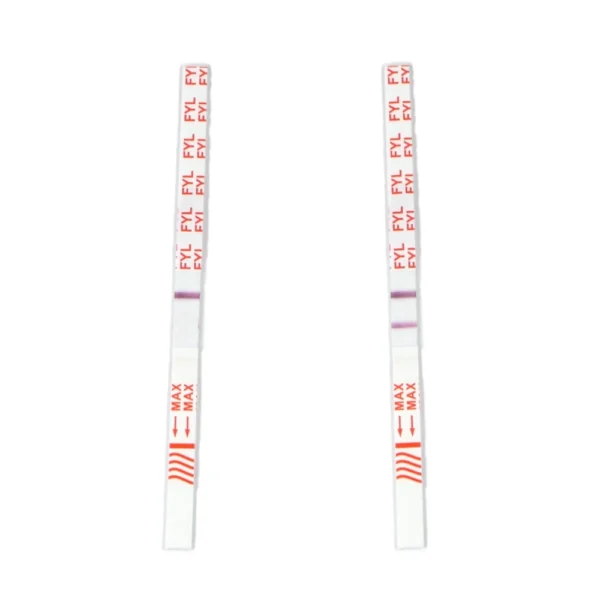
Strips for fentanyl and nitazenes, because those sit below what a reagent or a testing card can resolve, plus a reagent for what the bulk is.
No test result can tell you a substance is safe. No substance is 100% safe.This article is published for harm reduction purposes. It does not encourage the use of psychoactive substances and does not replace medical advice.